2026年,基础教学部正式开启“行走·讲述·传承”——Travel Far, Tell China's Story, Pass On the Spirit of China讲好中国故事活动。活动以“踏迹文化阵地,厚植家国情怀,讲好中国故事”为主题,面向全校学生常态化开展研学实践活动,旨在依托研学之旅,引导学生亲身领略祖国壮美山河、感悟中华深厚文脉,着力打造沉浸式文化浸润与家国情怀育人实践课堂;同时鼓励学生以英语为载体,向世界讲好真实立体的中国故事,赓续传承中华民族精神血脉。
同学们探访文博场馆、分享历史文化、介绍家乡风貌,用英语讲述鲜活生动的中国故事,在行走体验与对外表达中厚植民族底气、提升文化自信。本期推文分享的是安全24-7班郭凯同学的红色纪念馆之旅。他带领我们走进沈阳九一八历史博物馆与葫芦岛塔山阻击战纪念馆,沉浸式感受那段烽火岁月的沉重与荣光,在残历碑前、烈士家书旁、锈迹斑斑的战机下,铭记历史、珍爱和平,汲取吾辈自强的奋进力量。
Hi everyone! I’m Kai Guo from Safety Engineering Class 24-7. Inspired by the school activity “Walk, Tell, Inherit”, and with the encouragement of my English teacher, I went on a meaningful trip to the September 18th Historical Museum and the Tashan Sniper Battle Memorial. Today, I’m thrilled to share this special experience with you in English, taking you to feel the weight of history, the courage of heroes, and the preciousness of peace. Let’s remember the past, cherish the present, and live up to those who gave us light!
Part 1 The Weight of History
历史之重
从刻着“1931年9月18日”的残历碑,到写着“铭记历史,珍爱和平”的墙面,再到院子里静静停着的战机和坦克——站在九一八历史博物馆前,心情沉重。
以前在课本里读“九一八事变”,总觉得是遥远的历史,是试卷上的一道题。今天站在那面刻满文字的石墙前,看着“夜十时许,日军自爆南满铁路柳条湖段,反诬中国军队所为”,才突然明白:那不是冰冷的文字,是无数人在黑夜里惊醒、在炮火里奔跑的开始。风刮过石墙的纹路,好像能听见当年的警报声,混着老人的哭喊、孩子的啼哭,压得人喘不过气。
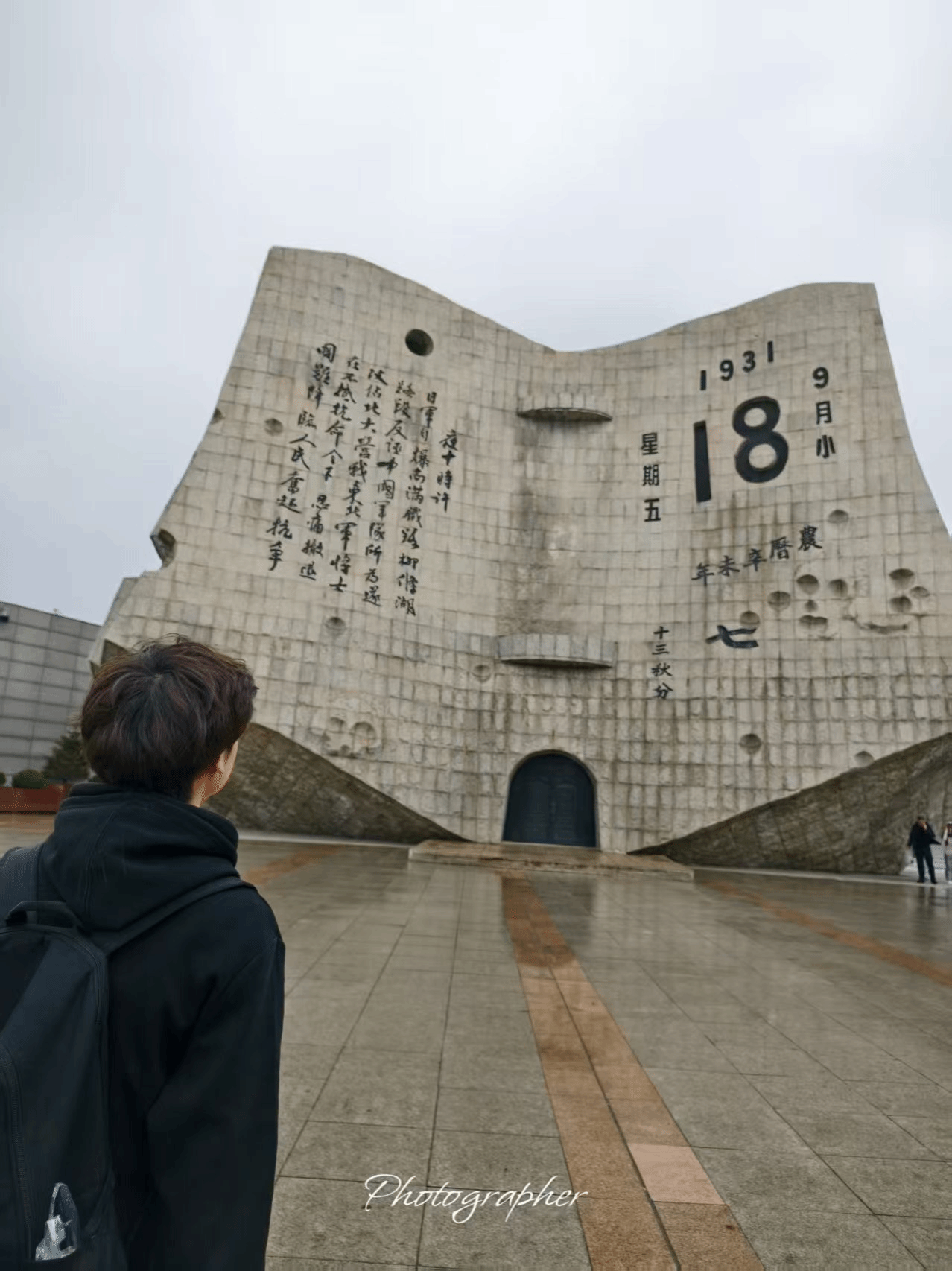
From the broken calendar stone inscribed with “September 18, 1931”, to the wall bearing the words “Remember history, cherish peace”, to the fighter jets and tanks standing quietly in the yard — standing in front of the September 18th Historical Museum, I felt heavy-hearted, choked, weighed down yet burning inside.
Before, when I read about the September 18th Incident in textbooks, it always felt like distant history, just a question on an exam paper. But today, standing before the stone wall covered in characters, reading how “At about ten o’clock that night, the Japanese army blew up a section of the South Manchuria Railway at Liutiao Lake, then falsely accused the Chinese army”, I suddenly understood: these were not cold words. They marked the beginning when countless people woke in the dark and fled under artillery fire. As the wind brushed over the carvings on the wall, I could almost hear the air-raid sirens of those years, mixed with the cries of the elderly and the wailing of children, pressing down so hard I could barely breathe.
Part 2 Heroes Like Us
英雄如我
走进馆内,天花板上的红星亮得晃眼,浮雕里战士们举着枪的样子,和玻璃柜里泛黄的家书、磨破的军鞋叠在一起。有一封战士写给母亲的信,字歪歪扭扭,最后一句是:“儿已决心报国,望母勿念。”我盯着那行字看了很久,突然就红了眼眶——他们也和我一样,是家里的孩子,是会想家的普通人,却把命押在了战场上,换我们今天能安安稳稳站在这里。
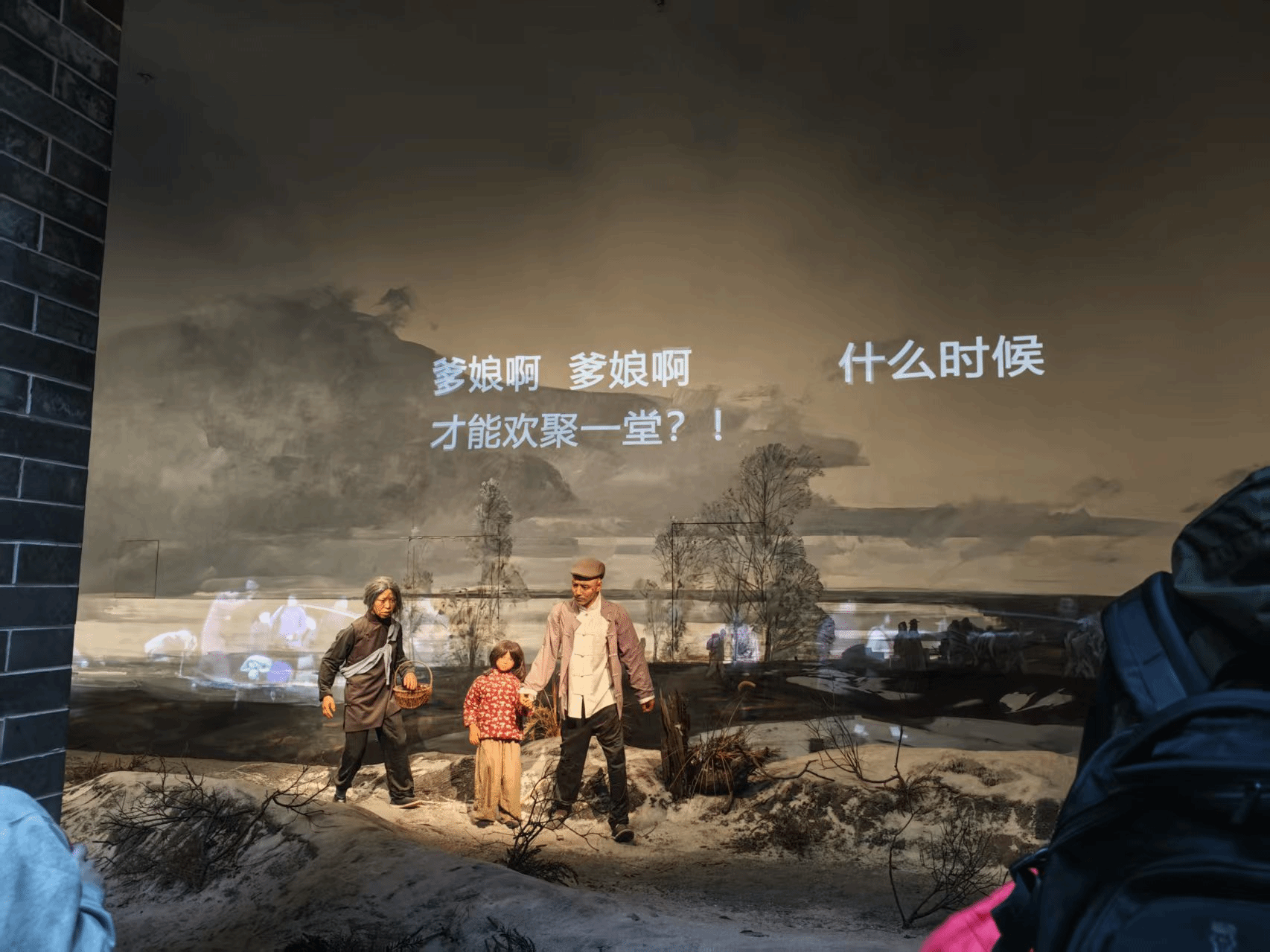
Inside the memorial hall, the red stars on the ceiling shone brightly. The reliefs of soldiers holding up their guns, the yellowed family letters and worn military shoes in glass cases, all blended together. One letter, written by a soldier to his mother, was in uneven handwriting. Its last line read: “I have resolved to serve my country. Please do not worry, Mother.” I stared at those words for a long time, and my eyes suddenly filled with tears. They were just like me — children of their families, ordinary people who missed home. Yet they staked their lives on the battlefield, so that we could stand here safely and peacefully today.
Part 3 The Call to Remember
铭记之唤
走到室外展区,那架银灰色的战机和编号309的坦克,锈迹爬满了车身,炮管还裹着布,像在沉默地诉说着什么。讲解员说,这些装备都是当年战士们用过的,有的跟着部队打了十几年仗,身上的弹孔就是勋章。我伸手摸了摸冰凉的铁壳,仿佛能摸到当年的温度——是发动机的轰鸣,是枪林弹雨里的嘶吼,是战士们趴在上面喊着“冲啊”的热血。
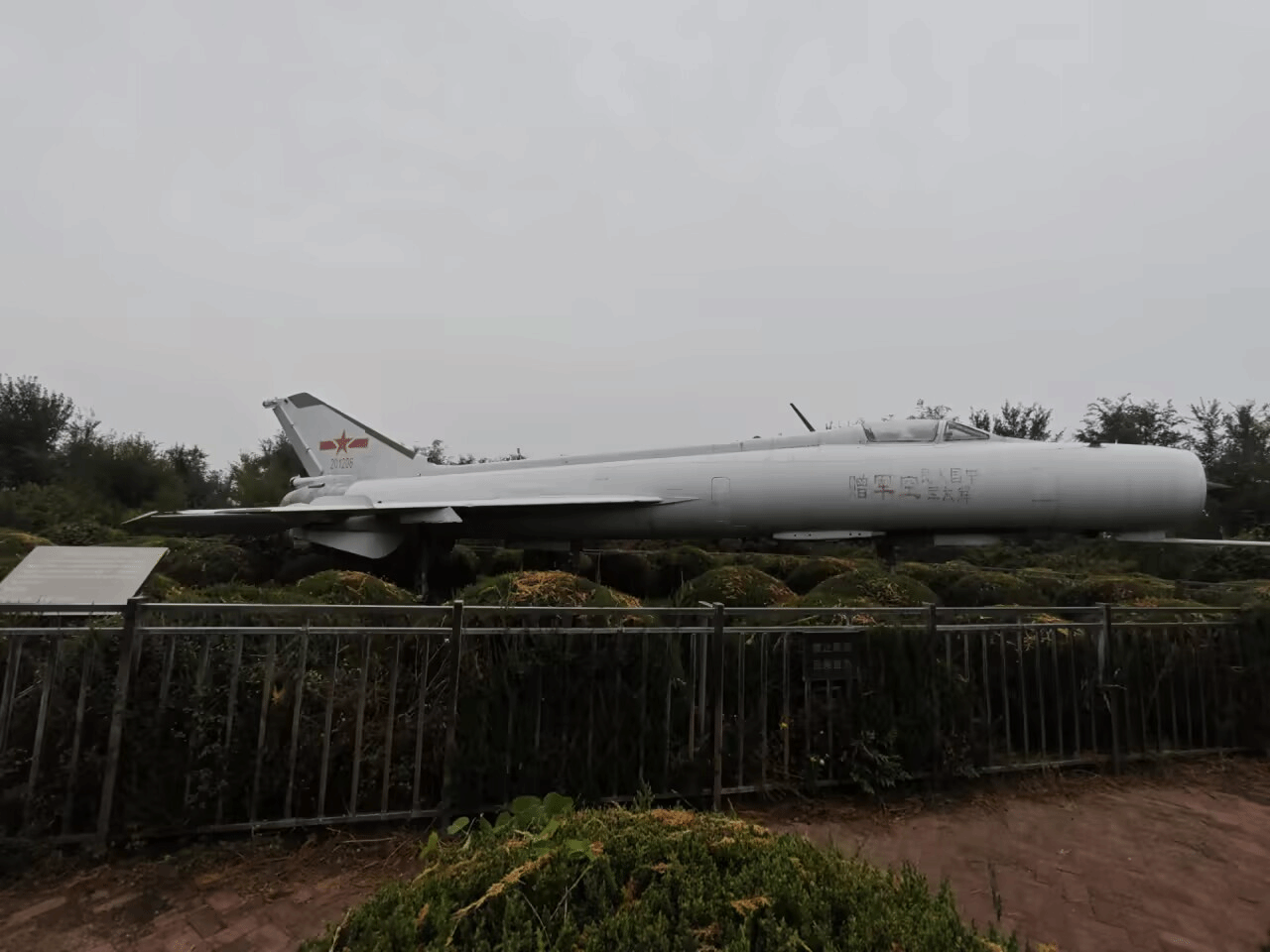
Later I came to the outdoor exhibition area. The silver-gray fighter jet and the tank marked No. 309 were covered in rust, their gun barrels wrapped in cloth, as if silently telling a story. The guide explained that these were all weapons used by the soldiers back then. Some had fought with the troops for more than ten years, and the bullet holes on their bodies were their medals. I reached out and touched the cold metal shell. It felt as if I could feel the heat of those years — the roar of engines, the shouts amid hails of bullets, the blood and fire when soldiers lay on them and cried, “Charge!”
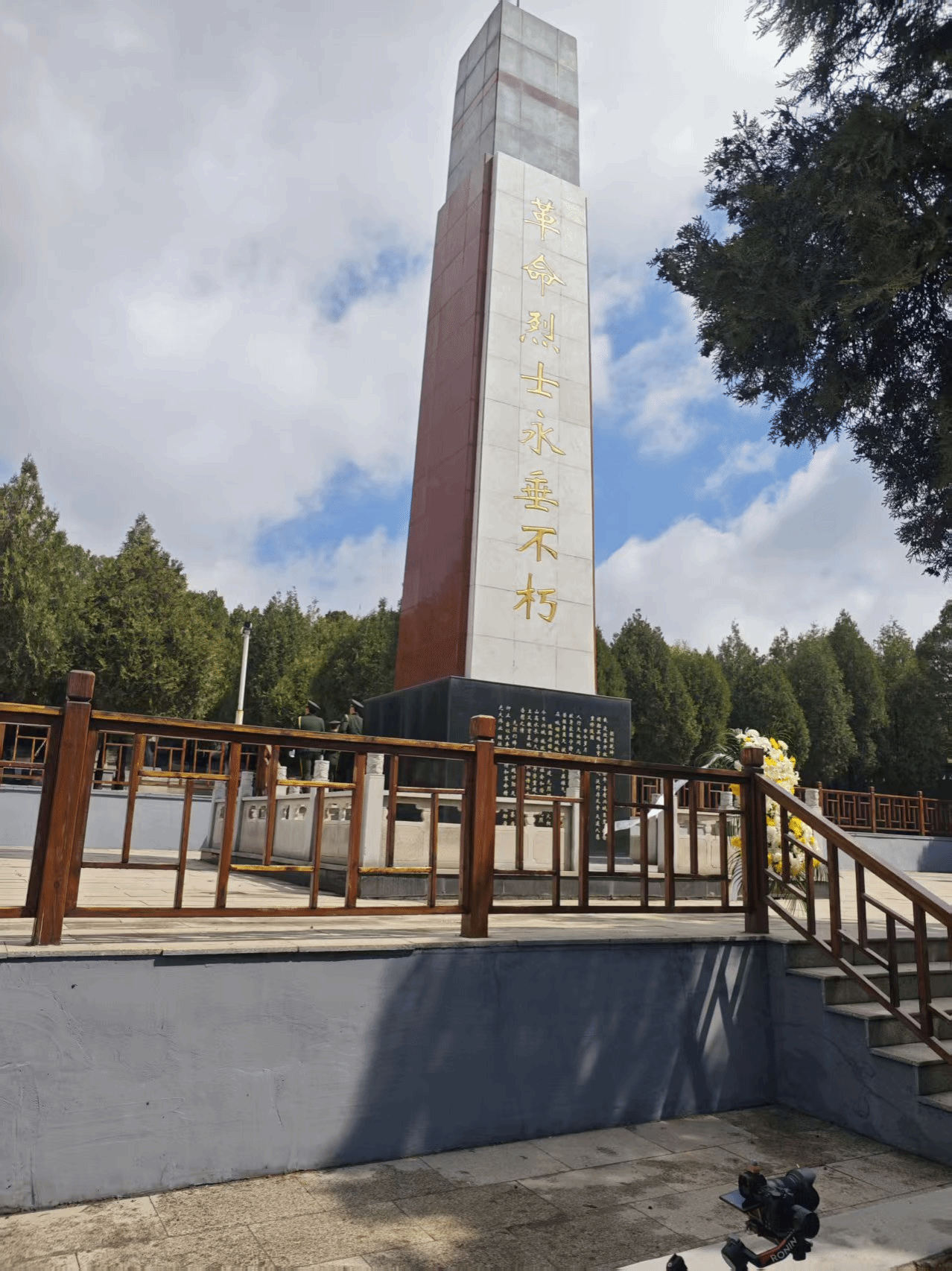
站在烈士纪念碑前,阳光穿过树叶洒在“永垂不朽”四个金字上,旁边摆着别人献的花,黄的白的,干干净净。以前总觉得“英雄”是个很空的词,今天才懂:英雄是那些明明怕得要死,却依然往前冲的人;是那些明明可以活下来,却选择把生的机会留给别人的人。
走出纪念馆时天已经暗了,街上的路灯亮起来,车水马龙,有人在路边买小吃,有人牵着孩子散步。我突然明白:“珍爱和平”从来不是一句口号,而是我们如今能好好吃饭、好好学习、好好生活的底气,是无数先烈用生命换回来的日常。
铭记,不是为了记住仇恨,而是为了记住我们今天的安稳来之不易,是为了记住那些为我们拼过命的人。以后路过这样的地方,我还会停下来看看——不是为了伤感,而是为了提醒自己:要好好活着,要对得起那些把光明留给我们的人。
Standing before the Martyrs’ Monument, sunlight filtered through the leaves onto the four golden characters: “Live Forever in Glory”. Beside it lay bouquets of yellow and white flowers, fresh and solemn. I used to think the word “hero” was empty and abstract. But today I understand: A hero is someone who is terrified, yet charges forward anyway. A hero is someone who could have lived, but chose to give their chance of survival to others.
By the time I walked out of the memorial hall, dusk had fallen. Streetlights lit up the road, traffic flowed steadily. People bought snacks by the roadside, parents strolled with their children. I suddenly realized: “Cherish peace” is never just a slogan. It is the confidence we have to eat well, study well, and live well. It is the ordinary life won for us by countless martyrs with their lives.
Remembering history does not mean holding onto hatred. It means remembering how hard-won our peace is. It means remembering those who fought and died for us. In the future, whenever I pass a place like this, I will stop and pay my respects. Not for sorrow, but to remind myself: I must live earnestly, and be worthy of all those who left brightness and hope for us.
Part 4 Remember history, pay tribute to martyrs, cherish peace, and create the future.
铭记历史 缅怀先烈 珍爱和平 开创未来
这十六个字,既是对历史的回答,也是对未来的承诺。它们不是悬在墙上的标语,而是从硝烟与泪水中打捞出来的信仰。
从残历碑前那无法呼吸的沉重,到烈士家书旁夺眶而出的热泪,再到战机坦克下骤然滚烫的热血——郭凯同学的红色行走,一步步走完了从“知道”到“懂得”的距离。他告诉我们:铭记,不是为了延续仇恨,而是为了从苦难中汲取站起来的力量;缅怀,不是为了沉湎过去,而是为了不负那些把光明留给我们的人。珍爱和平,不是忘记战争的残酷,而是把每一天的好好吃饭、好好上学、好好生活,都活成对先烈的告慰;开创未来,不是空喊口号,而是把“吾辈自强”刻进骨子里,用行动去守护这片他们用命换来的土地。
愿每一位青年学子,都能在行走中感悟历史的重量,在铭记中校准前行的方向。我们站立的这个地方,就是他们梦想中的未来;我们怎样,未来便怎样。
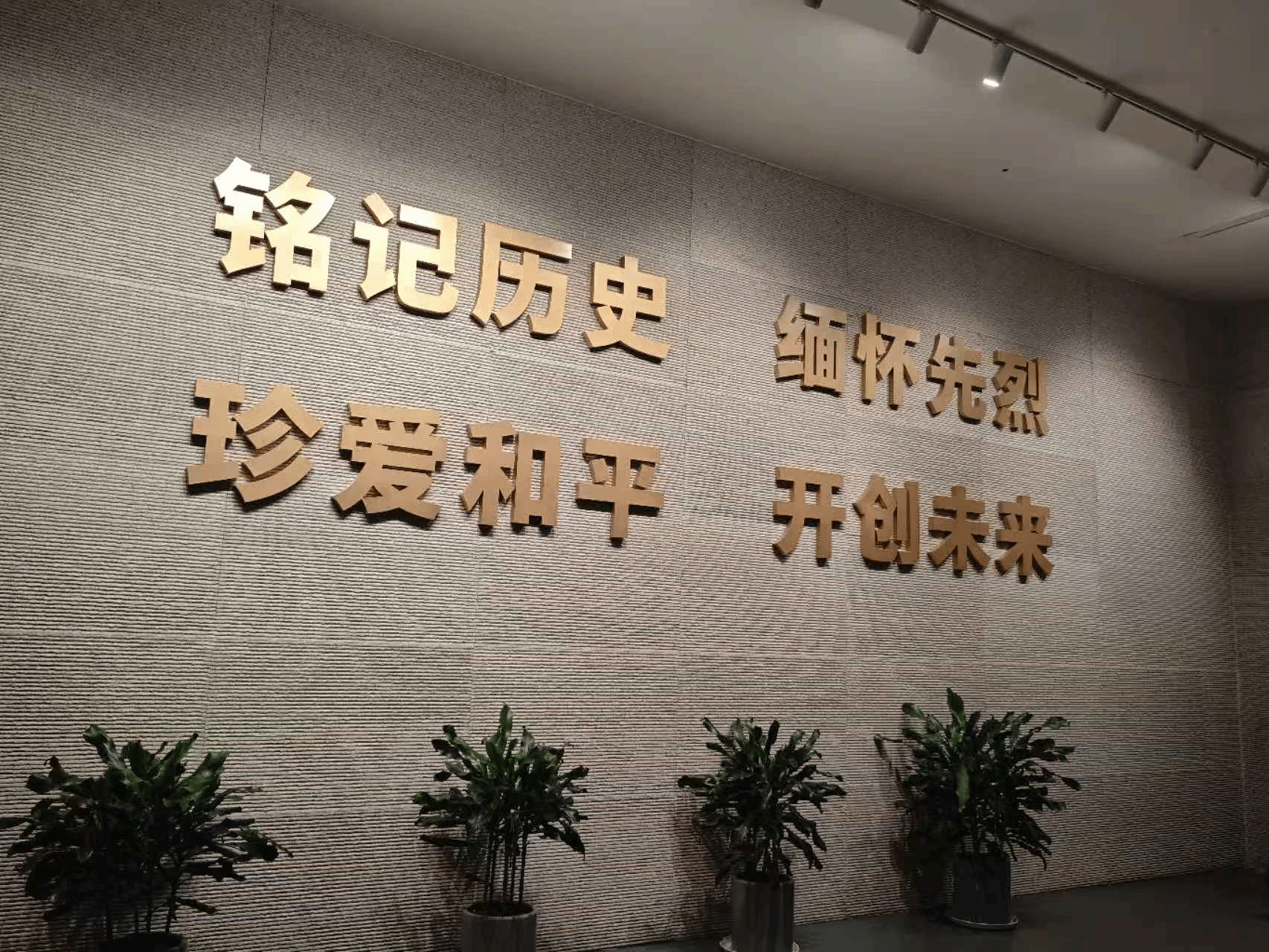
These sixteen words are both an answer to history and a promise to the future. They are not slogans hanging on a wall, but a faith salvaged from smoke, fire, and tears.
From the suffocating heaviness before the broken calendar stone, to the tears that suddenly filled our eyes beside the martyrs’ family letters, to the burning passion under the fighter jets and tanks — Guo Kai’s red journey walked step by step from “knowing” to “understanding”. He tells us: remembering is not about continuing hatred, but about drawing strength from suffering to stand up again; paying tribute is not about dwelling on the past, but about being worthy of those who gave us light. To cherish peace does not mean forgetting the cruelty of war — it means living each day earnestly, eating well, studying well, living well, as a quiet tribute to the fallen. To create the future is not about shouting slogans — it means engraving “self-improvement” into our bones, and protecting with our actions the land they bought with their lives.
May every young student, through such journeys, feel the weight of history, and through remembrance, find the right direction forward. The ground we stand on today is the future they once dreamed of. How we live — that is how that future will be.
指导教师:宛如
图文:郭凯
编辑:肖春娇
初审:李莹
复审:刘玲玲
终审:唐艺军 万君