2026年,基础教学部正式开启“行走· 讲述· 传承”—— Travel Far, Tell China’Story, Pass On the Spirit of China 讲好中国故事活动。活动以“踏迹文化阵地,厚植家国情怀,讲好中国故事”为主题,面向全校学生常态化开展研学实践。旨在依托研学之旅,引导学生亲身领略祖国壮美山河、感悟中华深厚文脉,着力打造沉浸式文化浸润与家国情怀育人实践课堂;同时鼓励学生以英语为载体,向世界讲好真实立体的中国故事,赓续中华民族精神血脉。
同学们探访文博场馆、分享历史文化、介绍家乡风貌,用英语讲述鲜活生动的中国故事,在行走体验与对外表达中厚植民族底气、提升文化自信。本期推文分享的是电控研25-8班王浩楠同学的旅行plog。他将带领我们走进内蒙古赤峰市翁牛特旗玉龙沙湖,亲身感受祖国山河的壮美。
有些地方,只有真正走近,才会明白它为何值得被铭记。玉龙沙湖,便是这样一处所在。
初到玉龙沙湖,最先闯入眼帘的是连绵起伏的沙丘。风从沙脊上掠过,细沙被轻轻卷起,如金色的浪花层层向远处铺展。与想象中单调荒凉的沙漠不同,这里有澄澈湖水,茵茵草甸,嶙峋奇石,也有远处苍茫辽阔的天际线。沙漠的雄浑与湖水的柔和在这里相遇,让我不禁感叹:祖国山河的壮美,往往藏在最出人意料的地方。
Some places can only be truly understood when we walk close to them. Yulong Sand Lake is one of those places.
When I first arrived at Yulong Sand Lake, the first thing that came into view was the continuous rolling sand dunes. The wind swept across the ridges of the dunes, gently lifting the fine sand, like golden waves spreading layer by layer into the distance. Different from the monotonous and desolate desert I had imagined,this place boasts clear lake water, lush meadows, jagged rocks , and a vast skyline in the distance. Here, the grandeur of the desert meets the gentleness of the lake, making me sigh with admiration: the magnificence of our motherland’s mountains and rivers is often hidden in the most unexpected places.
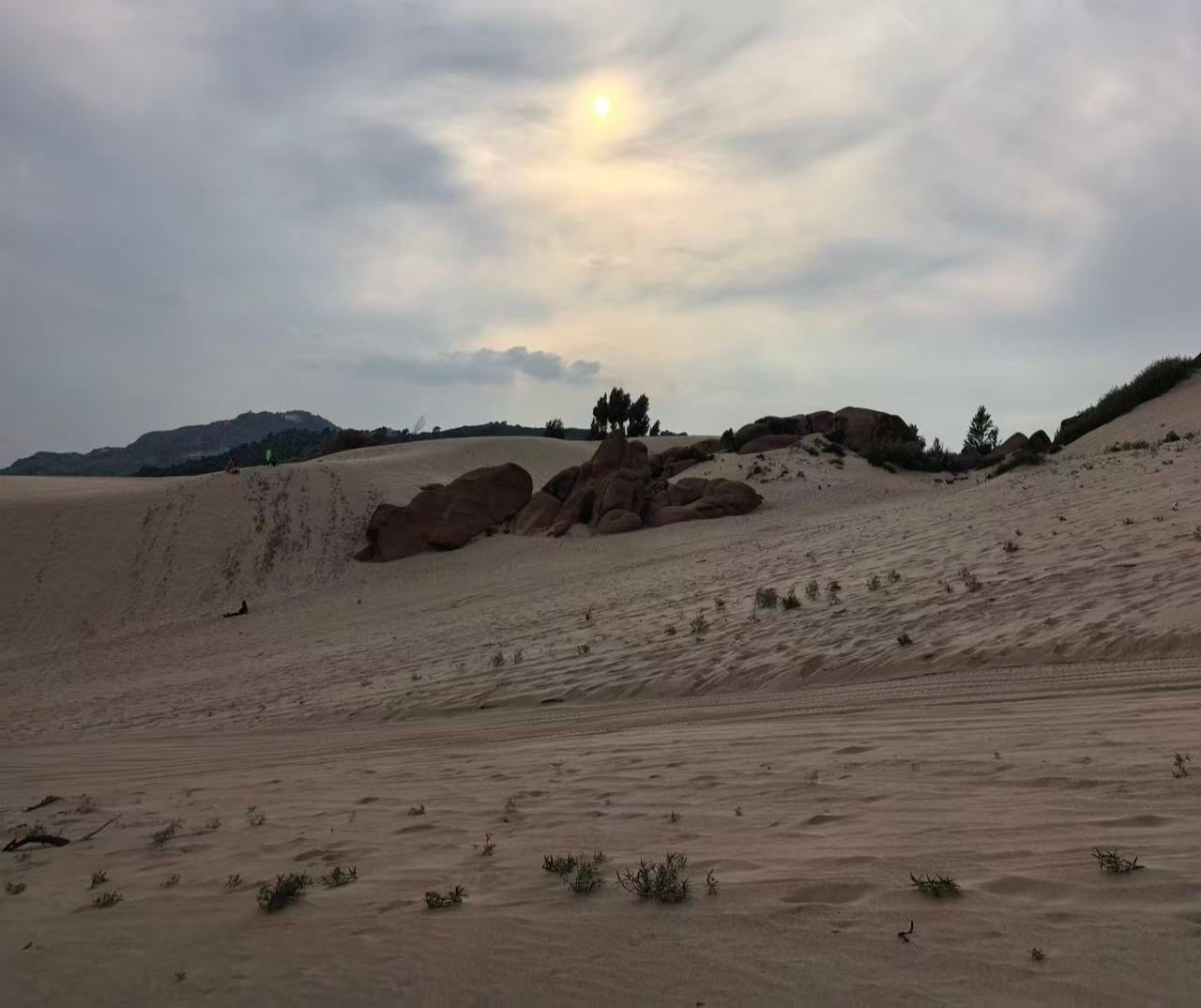
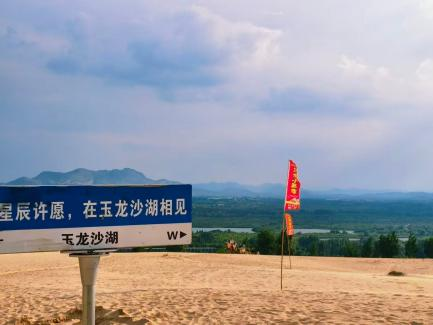
沿着沙地向前走,脚下的每一步都比平地更沉。沙子柔软,却也让我行走得更加缓慢。正是在这种缓慢里,我开始真正观察这片土地:沙丘的线条被风雕刻得流畅而有力,湖水静静嵌在沙海之中,像一面沉默的镜子;远处的奇石挺立在天地之间,仿佛记录着岁月的痕迹。这里不是简单的旅游景点,而是一间没有围墙的课堂。它让我们在行走中感受自然,在凝望中理解时间,也在思考中重新认识脚下的土地。
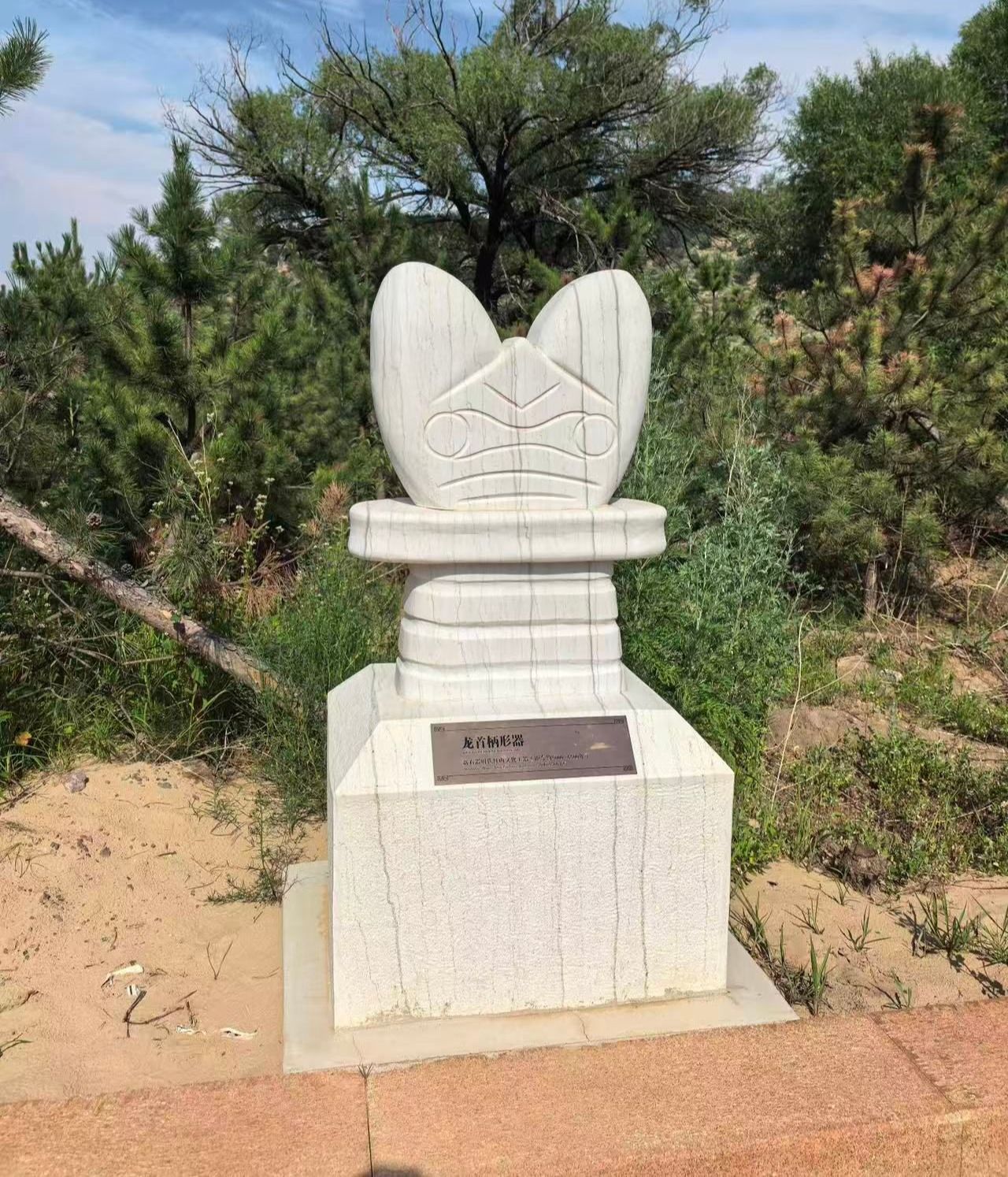
玉龙沙湖的名字,与“中华第一龙”碧玉龙密切相关。1971年,红山文化标志性文物碧玉龙在赤峰地区出土,它让人们再次把目光投向中华文明的源头。站在玉龙沙湖的风沙之间,想到几千年前先民曾在这片辽阔土地上生活、创造、敬畏自然,我忽然感到一种穿越时空的连接。我们今天所说的“龙的传人”,并不只是一个称呼,更是一种文化记忆的延续。它提醒我们:中华文明不是抽象的概念,而是存在于一件文物、一处遗址、一片土地和一代代人的传承之中。
Walking forward along the sandy ground, every step felt heavier than walking on flat land. The sand was soft, but it also made me slow down. It was in this slowness that I began to truly observe this land: the lines of the dunes were carved by the wind, smooth yet powerful; the lake lay quietly in the sea of sand, like a silent mirror; the strange rocks in the distance stood between heaven and earth, as if recording the traces of time. This is not simply a tourist attraction, but a classroom without walls. It allows us to feel nature through walking, understand time through gazing, and rediscover the land beneath our feet through reflection.
The name Yulong Sand Lake is closely connected with the jasper jade dragon known as “China’s First Dragon.” In 1971, this iconic cultural relic of Hongshan Culture was unearthed in the Chifeng area, drawing people’s attention once again to the origins of Chinese civilization. Standing among the wind and sand of Yulong Sand Lake, and thinking of how our ancestors lived, created, and respected nature on this vast land thousands of years ago, I suddenly felt a connection that traveled through time and space. What we call the “descendants of the dragon” today is not merely a title, but also a continuation of cultural memory. It reminds us that Chinese civilization is not an abstract concept; it exists in a cultural relic, a historical site, a piece of land, and the inheritance passed down from generation to generation.
这次行走,也让我对“生态文明”有了更直观的理解。过去提到沙地,人们常常联想到风沙、贫瘠和荒凉;但在玉龙沙湖,沙漠并没有与发展对立起来。这里依托独特的自然景观和红山文化资源,形成了集观光、研学、体验于一体的文旅空间。游客可以环湖观光,可以感受沙漠越野,也可以在行走中了解红山文化。文化被看见,自然被珍惜,发展也因此有了更深的底色。
对我来说,玉龙沙湖最打动人的地方,不只是风景,而是它把“自然之美、文化之根、时代发展”连接在了一起。沙漠教会我们坚韧,湖水提醒我们柔和,红山文化让我们知道从哪里来,而今天的文旅融合则让我们看到传统文化如何在新时代焕发新的生命力。
This walk also gave me a more direct understanding of “ecological civilization.” In the past, when people mentioned sandy land, they often thought of windblown sand, barrenness, and desolation. However, at Yulong Sand Lake, the desert is not placed in opposition to development. Relying on its unique natural landscape and Hongshan cultural resources, this place has developed into a cultural tourism space that integrates sightseeing, study tours, and experiential activities. Visitors can tour around the lake, experience desert off-road activities, and learn about Hongshan Culture while walking. Culture becomes visible, nature is cherished, and development therefore gains a deeper foundation.
For me, the most touching part of Yulong Sand Lake is not only its scenery, but also the way it connects the beauty of nature, the roots of culture, and the development of the new era. The desert teaches us resilience, the lake reminds us of gentleness, Hongshan Culture tells us where we come from, and today’s integration of culture and tourism shows us how traditional culture can gain new vitality in the new era.
行走玉龙沙湖,我收获的不仅是一场旅行的愉悦,更是一种家国情怀的生长。真正的学习不只发生在课堂里,也发生在我们迈出的每一步中。当我们走进山河、走近历史、走向人民生活的现场,书本中的文字便有了温度,文化中的故事便有了画面。
用脚步丈量山河,用眼睛发现中国,用文字讲述中国。玉龙沙湖让我明白:传承不是停留在过去,而是在今天继续理解它、讲述它、守护它。作为新时代青年,我们应当在行走中增长见识,在讲述中坚定文化自信,在传承中把中国故事讲得更加真实、更加生动、更加有力量。
Walking through Yulong Sand Lake, what I gained was not only the joy of a trip, but also the growth of a sense of family and country. Real learning does not only happen in the classroom; it also takes place in every step we take. When we walk into the mountains and rivers, approach history, and enter the real scenes of people’s lives, the words in books gain warmth, and the stories in culture gain vivid images.
Measure the land with our footsteps, discover China with our eyes, and tell China’s stories with our words. Yulong Sand Lake made me understand that inheritance does not mean staying in the past, but continuing to understand, tell, and protect it today. As young people in the new era, we should broaden our horizons through walking, strengthen our cultural confidence through storytelling, and make Chinese stories more authentic, vivid, and powerful through inheritance.
指导教师:李莹
图文:王浩楠
编辑:肖春娇
初审:李莹
复审:刘玲玲
终审:唐艺军 万君