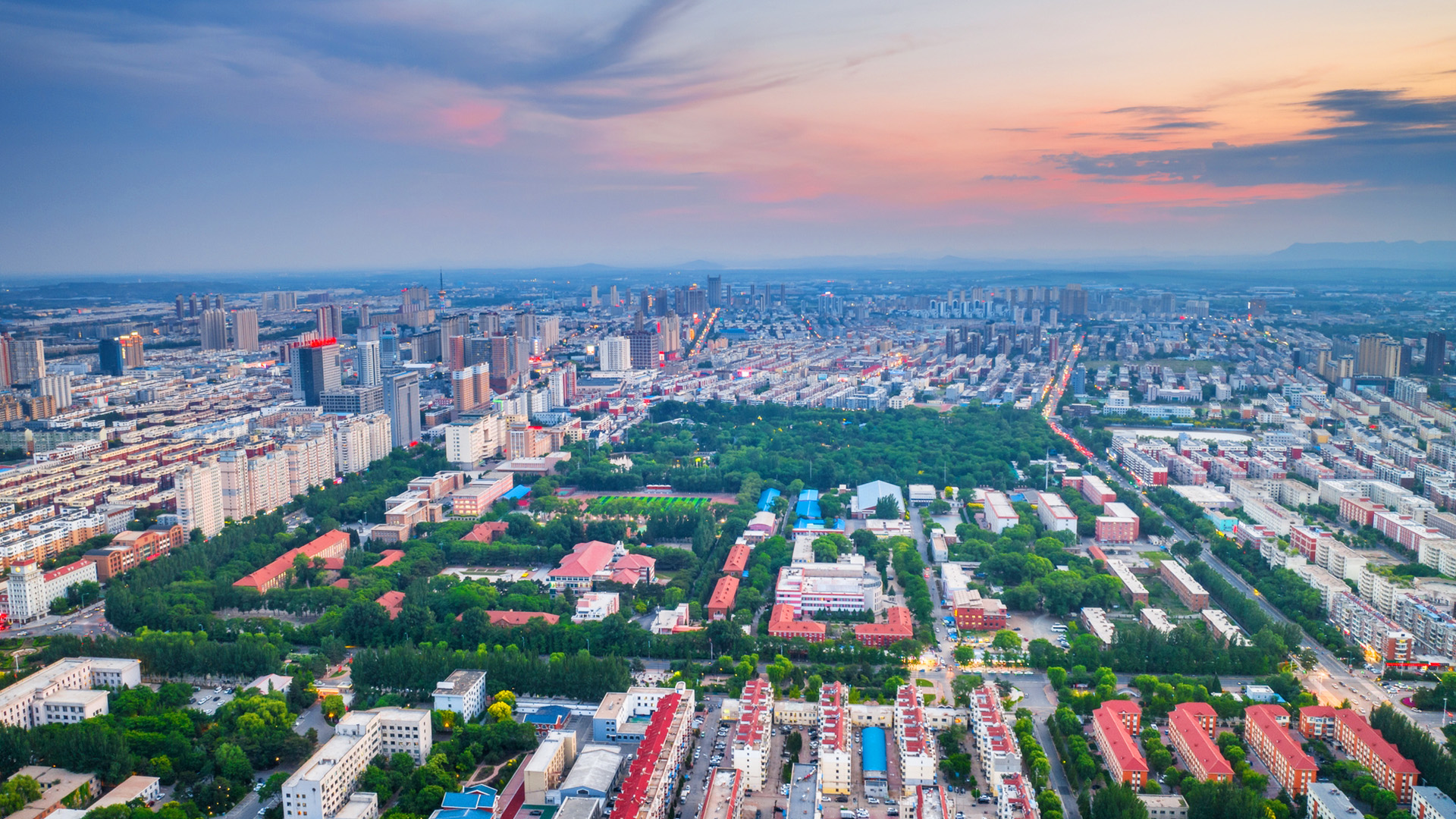
2026年,基础教学部外语教研室联合外语党支部正式开启“行走· 讲述· 传承”—— Travel Far, Tell China’s Stories, Pass On the Spirit of China 讲好中国故事活动。活动以“踏迹文化阵地,厚植家国情怀,讲好中国故事”为主题,面向全校学生常态化开展研学实践。旨在依托研学之旅,引导学生亲身领略祖国壮美山河、感悟中华深厚文脉,着力打造沉浸式文化浸润与家国情怀育人实践课堂;同时鼓励学生以英语为载体,向世界讲好真实立体的中国故事,赓续中华民族精神血脉。
同学们探访文博场馆、分享历史文化、介绍山河风貌,用英语讲述鲜活生动的中国故事,在行走体验与对外表达中厚植民族底气、提升文化自信。本次研学分享,让我们跟随电控研25-4班于晓超同学的研学足迹,穿梭于功勋纪念墙、地下战地手术室、少帅百年旧居与复古列车展厅之间,在三段跨越时空的历史记忆里,读懂和平来之不易,明晰青年肩上的家国责任。
行走
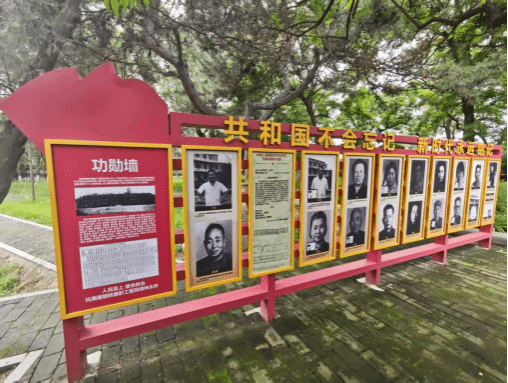
有些丰碑,伫立方知滚烫;有些往事,行走方懂深沉。层层葱郁的林木环抱之下,红色功勋纪念墙静静矗立,墙面 “共和国不会忘记,新时代永远铭记” 十二鎏金大字历经风雨依旧熠熠生辉。整齐排布的黑白旧照定格一张张质朴面孔,每一位肖像背后,都是当年主动请缨、奔赴抗美援朝前线的铁路医务工作者。七十余年前烽烟四起,他们告别家乡亲友,义无反顾奔赴炮火前线,以一身白衣作铠甲,在枪林弹雨的边缘搭建起守护生命的防线。墙尾两行镌刻文字字字千钧:“人民至上 使命担当,抗美援朝铁路职工医院精神永存”,寥寥数语,完整记录下平凡医务工作者跨越千山万水、不畏生死的热血坚守。山林草木静默无言,红墙镌刻岁月痕迹。这一面功勋墙,便是所有战地白衣战士永不褪色的荣誉勋章。
Some monuments burn hot only when we stand before them; some devotion can only be fully understood when we draw near. Amid lush green trees stands the red Wall of Merit, with glowing golden words "The Republic Will Never Forget, The New Era Will Always Remember". Yellowed black-and-white portraits are neatly displayed, and behind every face lies a railway medical worker who volunteered to rush to the front lines of the War to Resist U.S. Aggression and Aid Korea. Over seventy years ago, amid raging gunsmoke, they bid farewell to their families and marched fearlessly to the battlefield, donning white coats as armor to build a lifeline amid artillery fire. Two weighty lines carved at the end of the wall read "Put the People First, Shoulder the Mission; The Spirit of the Railway Staff Hospital in the War to Resist U.S. Aggression and Aid Korea Lives Forever". These words fully record the fearless dedication of ordinary medical workers who traveled across mountains and rivers regardless of danger. The trees stand silent, the red wall preserves traces of time.And this wall of merit is an everlasting medal of honor for all medical warriors on the battlefield.
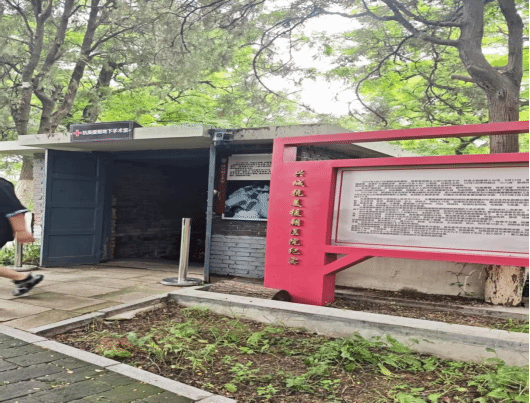
告别功勋纪念墙,沿林间小路缓步前行,我们来到隐蔽于树丛间的地下手术室。这座以灰砖砌筑的低矮简易旧址,承载着炮火连天里无数生死营救的动人过往。墙面悬挂“抗美援朝地下手术室” 标识,肃穆庄重,配套图文展板完整梳理兴城抗美援朝铁路职工医院的建设背景、救治史实与医护事迹。狭小幽暗的地下空间,是当年战火中唯一安稳的生命庇护所。彼时物资极度匮乏,没有精密先进的医疗设备,没有恒温舒适的诊疗环境,一代代医护人员昼夜轮班驻守地下,争分夺秒抢救身负重伤的志愿军战士。墙体每一块青砖都留存炮火侵蚀的印记,展板每一段文字都诉说峥嵘岁月,无声诠释着特殊年代里,医者以性命守护军人生命的赤诚与担当。
Leaving the Wall of Merit, we walk along the forest path and arrive at the underground operating room hidden among trees. This low and simple former site was built with grey bricks holds countless touching stories of life-saving rescues amid heavy gunfire. The solemn sign "Underground Operating Room of the War to Resist U.S. Aggression and Aid Korea" hangs on the wall, and supporting graphic display boards fully sort out the construction background, treatment historical facts and medical staff deeds of Xingcheng Railway Staff Hospital during the war. This narrow and dim underground space was the only safe shelter for lives amid flames of war. At that time, materials were extremely scarce, without sophisticated advanced medical equipment or constant and comfortable treatment environment. Groups of medical staff took turns guarding underground day and night, racing against time to rescue seriously wounded volunteer soldiers. Every blue brick on the wall bears traces of gunfire erosion, and every paragraph of text on the display board tells extraordinary years, silently interpreting the sincerity and responsibility of healers who guarded soldiers’ lives with their own lives in special times.
传承
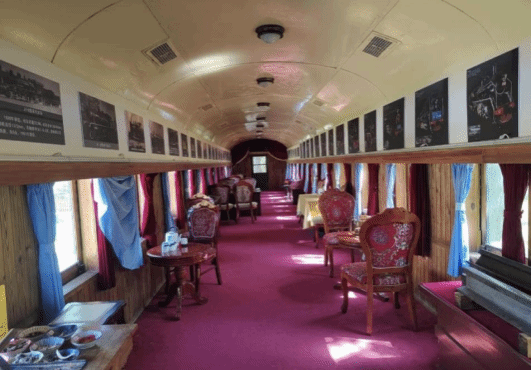
走出承载红色记忆的战地医院旧址,我们步入两节复古老式列车车厢,轨道车轮载着百年东北铁路发展史,串联起交通、医疗与家国的厚重脉络。 第一节车厢复刻民国时期高级客运包厢,穹顶圆润柔和,两侧木饰墙面挂满老式蒸汽机车黑白档案图,红蓝相间的布艺窗帘垂落窗边,复古雕花桌椅整齐排布,青瓷茶具静静置于小圆木桌之上。阳光透过窗格,洒落在紫红色地毯上,恍惚间仿佛看见当年军政人士乘车往来辽西、共商时局的身影。精致复古的车厢陈设,还原了近代铁路客运的风貌,也见证着兴城作为交通要道,所承载的时代往来与家国抉择。
Stepping out of the war site carrying red memories, we enter two vintage train carriages, whose wheels carry a hundred years of Northeast railway history, linking the profound context of transportation, medical care and the motherland. The first carriage restores the first-class passenger compartment of the Republic of China era, with a soft rounded vault. Black-and-white archives of old steam locomotives hang on the wooden walls on both sides, red and blue fabric curtains hang by the windows, and vintage carved tables and chairs are neatly arranged, with celadon tea sets quietly placed on small round wooden tables. Sunlight filters through the window panes onto the magenta carpet, as if we can see political and military figures traveling back and forth in western Liaoning by train to discuss the current situation. The exquisite retro furnishings restore the style of modern railway passenger transport, and also witness the exchanges and national choices borne by Xingcheng as an important transportation hub.
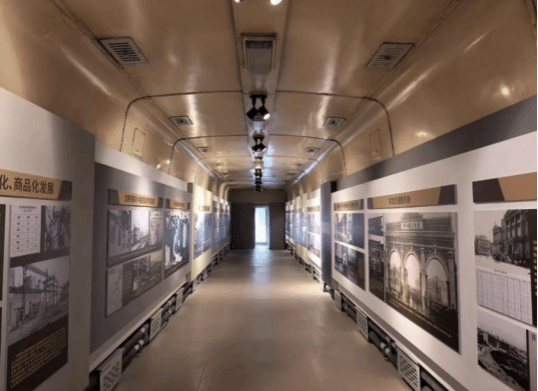
另一节车厢改造为铁路历史专题展厅,简约浅灰展墙沿车厢两侧延伸,分区陈列东北交通委员会、铁路工业化、商贸发展的老照片与史料展板。狭长车厢通道串联起百年铁路变革,从机车建造到沿线城镇兴起,从战时物资运输到战地医疗支援,完整揭示东北铁路与抗美援朝铁路医院密不可分的渊源。当年奔赴前线的医务工作者,正是搭乘这样的列车奔赴兴城,轨道延伸之处,便是医者逆行的征途。
The other carriage is transformed into a special exhibition hall of railway history, with simple light grey display walls extending along both sides of the carriage, displaying old photos and historical boards of the Northeast Transportation Committee, railway industrialization and commercial development in different zones. The long carriage passage connects a hundred years of railway transformation, from locomotive manufacturing to the rise of towns along the line, from wartime material transportation to battlefield medical support, fully revealing the inseparable origin between Northeast railways and the Xingcheng Railway Hospital in the War to Resist U.S. Aggression and Aid Korea. The medical workers who rushed to the front lines back then took trains like this to Xingcheng. Where the tracks extend, lies the retrograde journey of healers.
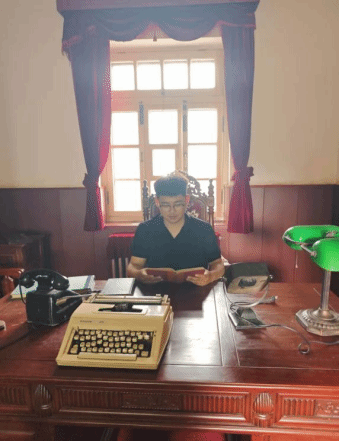
继续向前,我们移步环境清幽的张学良温泉别墅,一墅藏百年沧桑,一室载时代风云。 别墅内复古原木书桌临窗而立,老式机械打字机、复古绿玻璃台灯、老式手摇黑胶电话有序陈列桌面,完整还原当年少帅日常办公休憩场景。静坐桌前细读屋内留存的文史资料,指尖轻触泛黄纸页,恍惚间仿佛看见张学良伏案沉思、提笔书写家国抉择的身影。木格窗筛落柔和天光,屋内一件件沉默老物件跨越百年时光,定格山河动荡、民族上下求索的艰难岁月,让我们得以透过实物遗存,读懂近代中国跌宕起伏的历史波澜。
Moving forward, we walk to the quiet and elegant Zhang Xueliang Hot Spring Villa, a residence containing a hundred years of vicissitudes and a room recording the storms of the times. A vintage log desk stands beside the window inside the villa, equipped with an old mechanical typewriter, retro green glass desk lamp and vintage hand-cranked telephone, completely restoring the Young Marshal’s daily office and rest scene back then. Sitting quietly at the desk and reading the historical materials preserved in the house, our fingers gently brush the yellowed pages, as if we can see Zhang Xueliang meditating at the desk and picking up a pen to write choices related to the nation. Soft daylight filters through the wooden lattice window. Every silent old relic in the house spans a hundred years, freezing the turbulent years when the whole nation sought ways to survive and thrive. We can understand the ups and downs of modern Chinese history through these physical remains
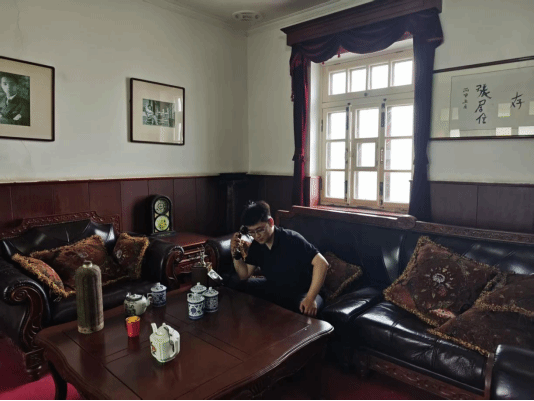
缓步转入别墅会客大厅,复古皮质沙发、成套青花茶具、复古铜质座钟整齐摆放,墙面悬挂黑白旧照与笔墨书法卷轴,高度复原上世纪会客交流的真实空间。屋内每一件老旧家具,都曾见证关乎民族存亡、家国命运的深度交谈。温润雅致的日常居家陈设,与战地医院残酷炮火、列车承载的战时运输形成强烈对比:一边是近代先辈苦苦探寻救国之路的思索,一边是和平年代前夕医者舍身卫国的坚守,铁轨则是连接二者的纽带。三处兴城地标、三段厚重历史彼此交织,共同铺展一卷属于辽西大地、饱含热血与初心的家国长卷。
Walking slowly into the reception hall of the villa, vintage leather sofas, complete sets of blue-and-white porcelain tea sets and retro copper clocks are neatly placed. Black-and-white old photos and calligraphy scrolls hang on the wall, highly restoring the real space for reception and communication in the last century. Every old piece of furniture in the room once witnessed in-depth conversations concerning national survival and the fate of the country. The gentle and elegant daily furnishings form a sharp contrast with the cruel artillery fire in the field hospital and the wartime transportation carried by trains: one side records the reflections of predecessors painstakingly exploring the road to save the nation in modern times, the other bears witness to the selfless dedication of medical workers defending the country on the eve of peaceful times, and the railway tracks act as the bond connecting the two. Three landmarks in Xingcheng and three profound periods of history interweave with each other, unfolding a long scroll of patriotism full of passion and original aspiration belonging to western Liaoning.
凝望
驻足于三处历史旧址之间静静回望,三段相隔数十年的峥嵘岁月在此温柔相逢。抗美援朝战地医院留存着中华儿女保家卫国、守护和平的坚定坚守;百年铁路车厢记录着东北交通发展、战时物资转运的时代脉络;张学良温泉别墅沉淀着民族危亡之际仁人志士觉醒求索的深沉思考。一面功勋纪念墙,铭记白衣医者逆行奔赴险境的无畏;两节复古列车车厢,镌刻轨道之上的时代征途;一栋百年旧别墅,书写乱世之中波澜起伏的家国风云。红色革命记忆、铁路工业文脉与近代人文古迹相融共生,民族复兴的求索之路、捍卫和平的牺牲精神与交通发展的时代印记在此完美交汇。历史的厚重感层层铺陈开来,这里的每一栋别墅、每一块青砖、每一节车厢、每一件旧器物,都蕴藏着辽西大地独有的家国情怀与源远流长的精神底蕴。
Standing quietly among the three historic sites and looking back, three extraordinary periods separated by decades meet gently here. The field hospital of the War to Resist U.S. Aggression and Aid Korea preserves the firm perseverance of Chinese sons and daughters protecting the homeland and safeguarding peace; the century-old train carriages record the historical context of Northeast transportation development and wartime material transportation; Zhang Xueliang Hot Spring Villa bears the profound reflections of patriots awakening and exploring ways out when the nation faced peril. The Wall of Merit records the fearlessness of medical workers rushing to dangers; two vintage train carriages engrave the journey of the times on the tracks; the century-old villa writes the turbulent patriotic stories in chaotic times. Red revolutionary memories, railway industrial heritage and modern cultural relics coexist and integrate, where the road of national rejuvenation, the spirit of sacrifice for defending peace and the marks of transportation development intersect perfectly. The profound sense of history unfolds layer by layer. Every villa, every blue brick, every carriage and every old relic here contains the profound patriotism and enduring spiritual heritage unique to western Liaoning land.
守望
漫步兴城三处历史旧址,跨越时代的三段历史,都值得我们终身守望、永久铭记。一面功勋墙,镌刻下战地医者滚烫鲜活的姓名;一间地下手术室,承载炮火之下无数惊心动魄的生命营救;两节百年列车车厢,完整留存东北铁路发展与战时医疗支援的过往;一栋温泉别墅,封存近代山河动荡、先辈救国图强的风云往事。以往课本中碎片化、割裂式的历史文字,在这片土地变得立体、鲜活、充满温度。如今我们可以从容行走古迹、静心品读岁月的安稳底气,从来不是凭空而来。无数先辈,或是身披白衣搭乘列车奔赴前线救死扶伤,或是心怀赤诚探寻救国大道,以满腔热血、一生坚守,换来了今日山河安定、国泰民安。山河无恙,人间烟火寻常,便是对所有奉献牺牲的先辈最好的告慰,也是历史赠予新时代青年最珍贵的时代馈赠。
The three historic sites in Xingcheng carry three chapters of history across eras, worthy of our lifelong watch and eternal remembrance. The Wall of Merit engraves the fiery and vivid names of battlefield medical workers; the underground operating room holds countless thrilling life-saving rescues under gunfire; two century-old train carriages completely preserve the history of Northeast railway development and wartime medical support; the hot spring villa seals the turbulent stories of chaotic mountains and rivers and predecessors striving to save and strengthen the nation in modern times. The fragmented and separated historical texts in textbooks in the past become three-dimensional, vivid and full of warmth on this land. The peaceful foundation that allows us to wander around historical sites and study history calmly today never comes out of thin air. Countless predecessors either took trains to the front lines to heal the wounded in white coats, or explored the road to national salvation with sincere hearts. They exchanged full passion and lifelong perseverance for today’s stable motherland and peaceful people. Safe mountains and rivers and ordinary happy lives are the best consolation to all predecessors who devoted and sacrificed themselves, as well as the most precious gift history gives to youth in the new era.
结语
行走山河,方知来路浩荡;凝望三址,更懂使命在肩。这场兴城实地研学之行,从来不止是一次简单的古迹观光寻访,更是一场直击心灵、浸润人心的家国情怀精神洗礼。课堂之内,我们深耕外语专业知识,打磨双语表达能力;行走户外,我们走出教科书,真切读懂近代救国求索、铁路交通脉络、战地医者仁心、和平来之不易的深层内涵。以脚步丈量辽西红色沃土,以双眼瞻仰三段跨越时空的历史,来讲述独属于兴城、属于辽西的中国故事。历史文脉的传承,从来不是被动背诵与刻板铭记,而是主动奔赴实地、持续诉说故事、用心守护精神根脉。 作为新时代青年学子,我们当踏遍红色文化阵地、寻访名人历史旧居、探访工业交通遗存,读懂百年过往,坚定文化自信,接续传承英雄文脉。以真诚、鲜活、饱含温度的双语表达,向世界完整传递近代中国百年求索之路、铁路交通发展历程、战地医者守护和平的纯粹初心,以及中华民族生生不息、薪火相传的伟大民族精神。
To wander across mountains and rivers is to grasp the grandeur of our origin; to gaze upon three historic sites is to weigh heavy the mission resting on our shoulders. This on-site research trip to Xingcheng is far more than a casual sightseeing tour of ancient relics—it is a soul-stirring, immersive spiritual baptism steeped in patriotism.
Within classrooms, we delve deep into professional foreign language expertise and polish our bilingual communication skills; stepping outdoors, we step beyond textbooks to truly comprehend the profound meanings behind the modern quest for national salvation, the evolution of railway networks, the benevolence of wartime medical workers, and the hard-won gift of peace. We traverse the red heartland of western Liaoning with our footsteps and behold three chapters of history spanning different eras with our own eyes, narrating the uniquely Chinese stories belonging to Xingcheng and western Liaoning.The inheritance of historical cultural heritage is never mere rote memorization and rigid commemoration. Instead, it lies in taking the initiative to journey to historic sites, perpetuate these stories, and safeguard our spiritual roots with all our hearts.As young students of the new era, we shall travel to red cultural landmarks, visit former residences of historical figures, and explore industrial and transportation relics. By understanding the past century’s struggles, we will strengthen our cultural confidence and carry forward the heroic cultural legacy. Through sincere, vivid, and heartfelt bilingual narration, we will convey to the world the full story of modern China’s century-long pursuit of rejuvenation, the developmental journey of its railways, the pure original aspiration of wartime healers guarding peace, as well as the enduring, perpetuated great national spirit of the Chinese nation.
指导教师:李莹
图文:于晓超
编辑:肖春娇
初审:李莹
复审:刘玲玲
终审:唐艺军 万君