2026年,基础教学部外语教研室联合外语党支部正式开启“行走·讲述·传承”——Travel Far, Tell China's Stories, Pass On the Spirit of China 讲好中国故事活动。活动以“踏迹文化阵地,厚植家国情怀,讲好中国故事”为主题,面向全校学生常态化开展研学实践。旨在依托研学之旅,引导学生亲身领略祖国壮美山河、感悟中华深厚文脉,着力打造沉浸式文化浸润与家国情怀育人实践课堂;同时鼓励学生以英语为载体,向世界讲好真实立体的中国故事,赓续中华民族精神血脉。
同学们探访文博场馆、分享历史文化、介绍山河风貌,用英语讲述鲜活生动的中国故事,在行走体验与对外表达中厚植文化自信、增强民族自豪感。本期研学分享,让我们跟随电信研25-3班郜品博同学的脚步,走进三星堆博物馆,在古蜀青铜器与雪域珍宝的交相辉映中,感受中华文明多元一体的壮阔图景,思考新时代青年应当如何理解、保护和讲述身边的文化遗产。
Hello everyone! I am Pinbo Gao from the Telecommunications Graduate Class 25-3. Inspired by the school's "Walk, Tell, and Inherit" activity, I visited Sanxingdui Museum, where a special exhibition titled "The Potala Palace — A World Cultural Heritage from the Snowy Land" was being held alongside the museum's permanent collection of ancient Shu bronzes. During this visit, I witnessed a rare encounter between two world cultural heritages — one from the ancient Shu civilization of the Sichuan Basin, the other from the snowy plateau of Tibet. Today, I would like to share this journey in both Chinese and English.
Part 1: The Splendor of Ancient Shu Bronzes
古蜀青铜的璀璨光芒
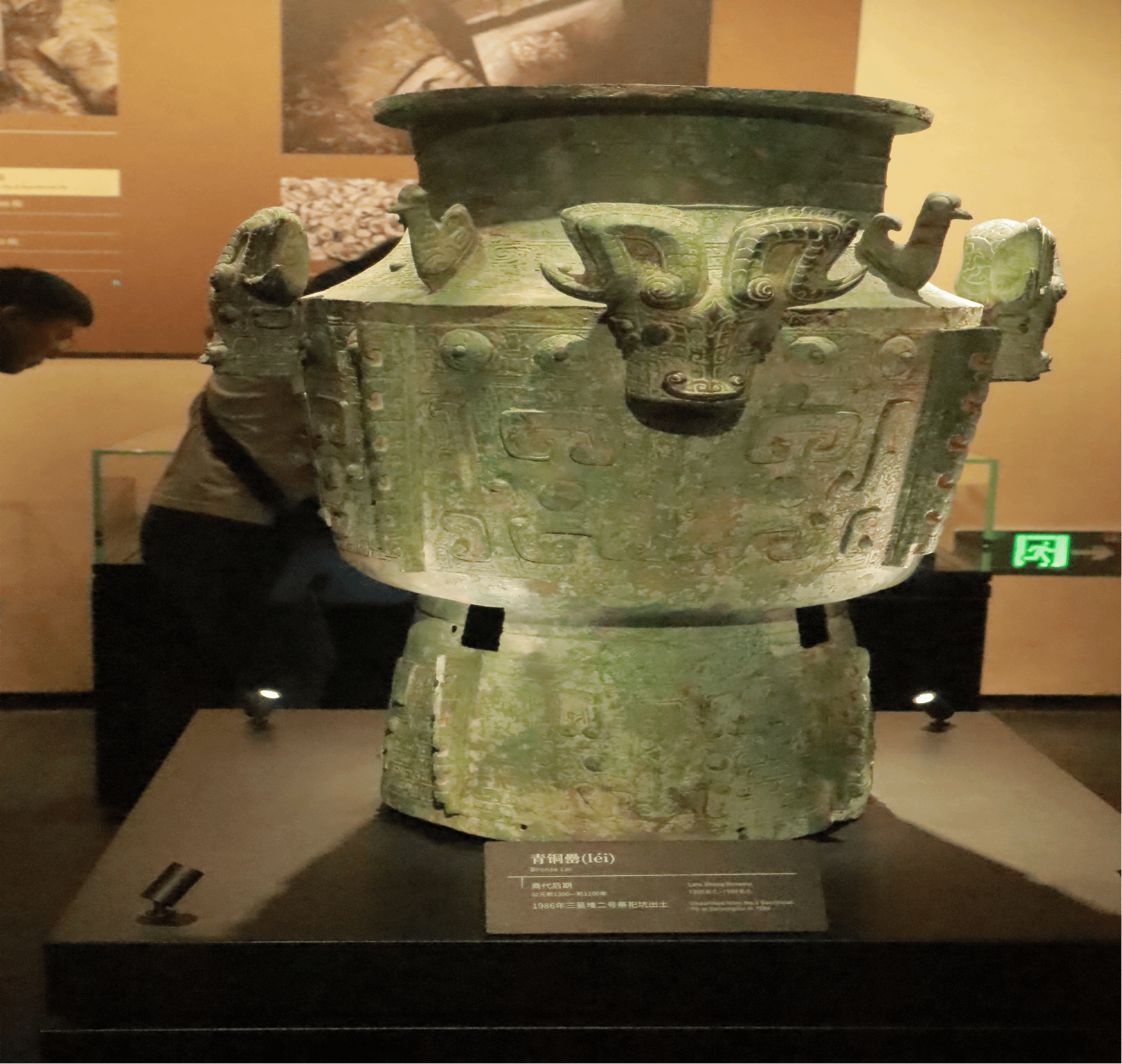
走进三星堆博物馆,首先映入眼帘的是一件件造型奇伟、纹饰精妙的青铜重器。展厅中陈列的商代青铜罍,1986年出土于二号祭祀坑,器型庄重沉稳,历经三千余年沧桑,表面斑驳的铜绿仿佛无声诉说着古蜀先民的智慧与信仰。驻足其前,仿佛能听见远古祭祀的钟鸣,看见古蜀王国曾经的辉煌。
As I entered Sanxingdui Museum, what first caught my eye were the impressive bronze vessels with their distinctive shapes and intricate patterns. The Shang Dynasty bronze lei on display, unearthed in 1986 from the No. 2 Sacrificial Pit, stood solemn and steady. After more than three thousand years, the mottled patina on its surface seemed to silently tell the story of the wisdom and beliefs of the ancient Shu people. Standing before it, I could almost hear the echoing bells of ancient rituals and glimpse the glory of the ancient Shu Kingdom.
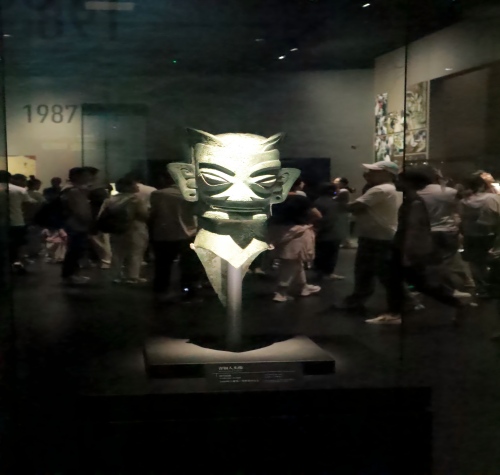
三星堆遗址是长江上游地区古代文明的杰出代表,是中华文明多元起源的重要实证。其出土的青铜器以夸张的造型和神秘的象征意涵震撼世界。这些文物不仅是古蜀先民精神世界的映射,更是中华文明多元一体的实物见证。一件青铜器,便是一座桥梁,连接着远古的蜀地与今天的我们。
The Sanxingdui site is hailed as "the source of Yangtze River civilization." Its unearthed bronzes have astonished the world with their exaggerated forms and mysterious symbolic meanings. These artifacts not only reflect the spiritual world of the ancient Shu people but also serve as tangible evidence of the diverse origins of Chinese civilization. Each bronze piece is a bridge, connecting the ancient land of Shu with us today.
Part 2: Treasures from the Snowy Plateau
雪域高原的庄严华彩
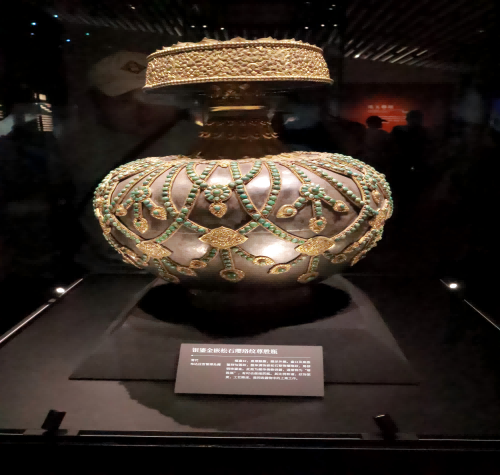
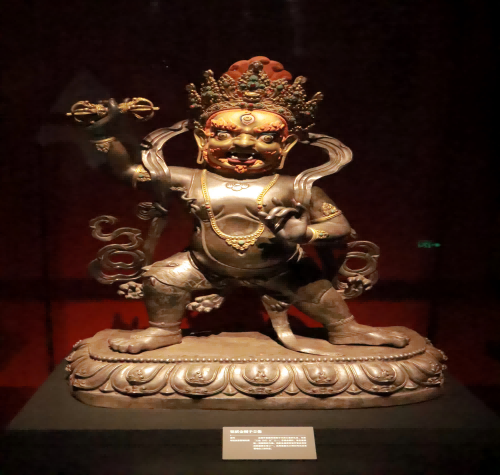
与三星堆青铜器同厅展出的,是来自布达拉宫的雪域珍藏。银质金刚手立像神态威严、工艺精湛,展现了藏传佛教造像艺术的高度成就。银鎏金嵌松石璎珞纹尊胜瓶则以其华美的装饰和独特的宗教内涵令人驻足赞叹。这些来自雪域高原的珍贵文物,与古蜀青铜器同室展出,共同呈现了中华文明多元一体的壮阔画卷,是各民族交往交流交融的生动见证。
Displayed in the same hall alongside the Sanxingdui bronzes were treasures from the Potala Palace on the snowy plateau. The silver statue of Vajrapani, majestic in expression and exquisite in craftsmanship, showcased the high achievements of Tibetan Buddhist sculptural art. The silver gilt turquoise-inlaid victory bottle, with its ornate decorations and profound religious significance, drew admiration from every visitor. These artifacts from the roof of the world, carrying the solemn aura of the Potala Palace, engaged in a dialogue across time and space with the ancient Shu bronzes.
布达拉宫是中华民族共有精神家园的重要组成部分,是雪域高原上最宏伟的文化遗产,也是西藏自古以来就是中国不可分割一部分的历史见证, 此次特展“布达拉宫 —— 来自雪域的世界文化遗产"巡展落地三星堆博物馆,让观众无需远赴西藏,便有缘亲睹这些珍贵文物。我深切体会到,中华文明的博大精深不仅在于单一文化脉络的绵延赓续,更在于各民族文化在中华民族共同体框架下的互学互鉴、共生共荣。
The Potala Palace, as the most magnificent cultural heritage site on the snowy plateau, embodies the spiritual beliefs and artistic wisdom of the Tibetan people. This special touring exhibition, "The Potala Palace — A World Cultural Heritage from the Snowy Land," brought these precious artifacts to Sanxingdui Museum, giving visitors the rare opportunity to see them up close without traveling to Tibet. I gradually came to understand that the greatness of Chinese civilization lies not in a single continuous thread, but in the coexistence, mutual enrichment, and exchange between diverse cultures.
Part 3: Walking, Understanding and Telling
行走、理解与讲述
在这次参观之前,我对三星堆和布达拉宫的认识更多来自课本和影像。真正走进博物馆、站在这些文物面前时,我才发现,文明的力量不只藏在宏大的历史叙事里,也藏在青铜的纹理、鎏金的光泽、每一道手工刻痕和每一颗镶嵌的松石之中。
This visit changed the way I understood Sanxingdui and the Potala Palace. Before coming here, I knew them mainly through textbooks and documentaries. After standing before these artifacts in person, I realized that the power of civilization exists not only in grand historical narratives, but also in the texture of bronze, the luster of gilding, every hand-carved line, and every inlaid turquoise stone.
行走让我看见,思考让我理解,讲述则让这份理解有机会被更多人听见。作为新时代青年,我们不仅要铭记历史,更应主动走近文化遗产,理解它、爱护它,并用真实、生动的语言向更多人讲述它,当好中华优秀传统文化的传承者与传播者。
Walking gives us the chance to see. Reflection helps us understand. Storytelling allows what we have learned to reach others. As young people today, we should approach cultural heritage with curiosity and respect, protect it through responsible action, and tell its stories in a truthful and vivid way.
Conclusion
结语
这次三星堆博物馆之行,是一次从课本走向大地的文化学习。商代青铜罍让我看见古蜀先民的创造力与精神世界,金刚手立像与尊胜瓶让我感受雪域高原的精神高度与艺术成就,而两处世界文化遗产在同一个展厅里的相遇与同台呈现,则让我更加深刻理解了中华文明多元一体的宏大格局。博物馆并不遥远,它就坐落于我们生活的土地上,等待我们走近、阅读和讲述。
This journey through Sanxingdui Museum was a cultural lesson beyond the classroom. The Shang Dynasty bronze lei showed me the creativity and spiritual depth of the ancient Shu people, the Vajrapani statue and the victory bottle revealed the artistic achievements and spiritual heights of the snowy plateau, and the encounter between two world cultural heritages in the same exhibition hall helped me grasp the profound meaning of unity in diversity within Chinese civilization. Museums are not distant from us. They stand on the very land we inhabit, waiting to be explored, understood and shared.
用脚步丈量文明,用眼睛发现历史,用语言讲述中国。愿我们在每一次行走中读懂中华,在每一次讲述中坚定文化自信。
Let us measure civilization with our steps, discover history with our eyes, and tell China's stories with our words.
指导教师:李莹
图文:郜品博
编辑:肖春娇
初审:李莹
复审:刘玲玲
终审:唐艺军 万君