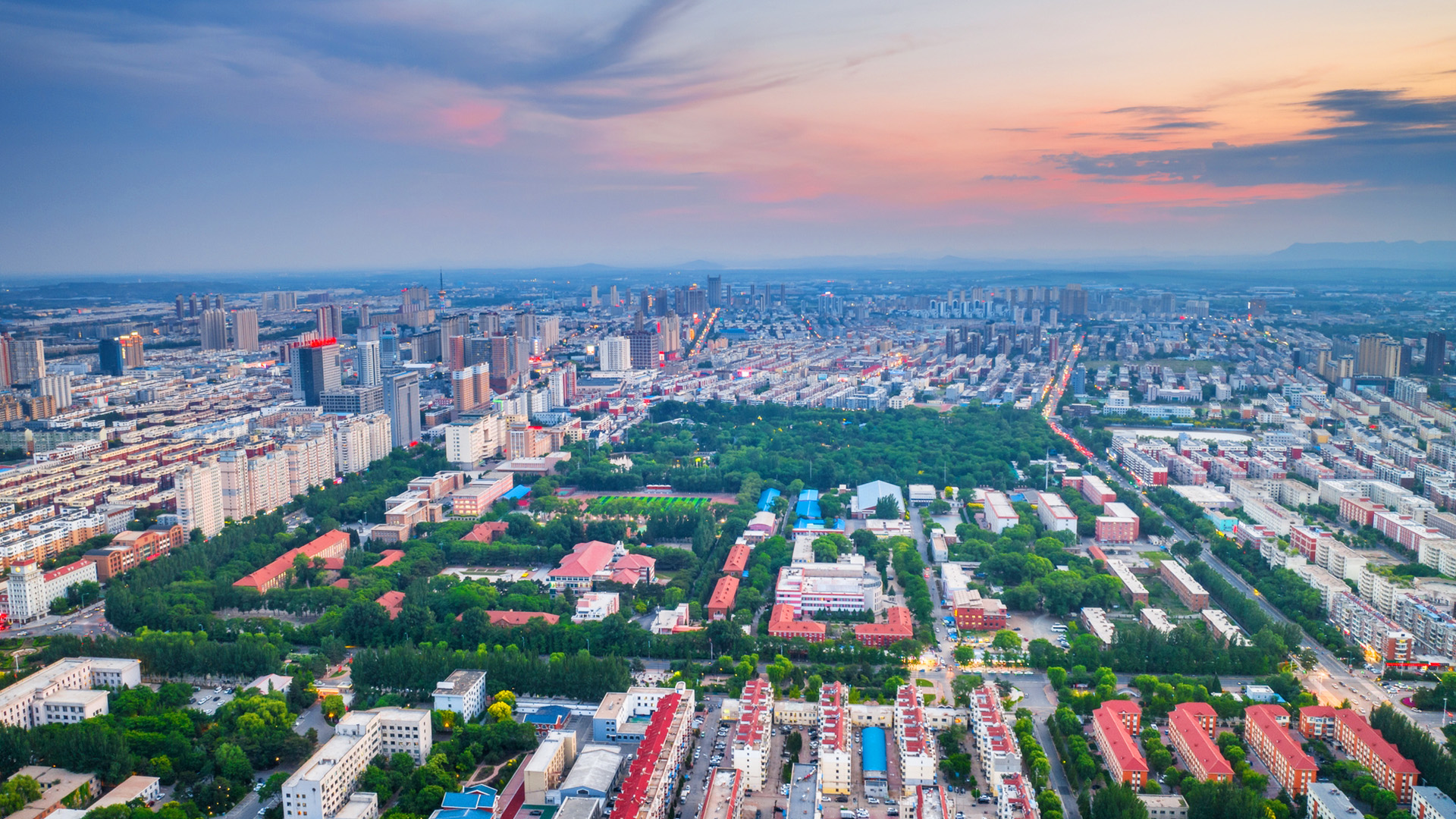
Xiamen: A Five-Day Glimpse
蓝天碧海飞白鹭,波光云影泛渔舟。
Blue Sky, Green Sea, Flying Egrets;
Shimmering Waves, Drifting Clouds, Floating Fishing Boats.
2026年寒假,辽宁工程技术大学基础教学部外语教研室与外语党支部发起特别倡议,号召同学们在假期走出校园,用脚步丈量祖国的大好河山,开展“旅行打卡”活动,聚焦“行走·讲述·传承”——Travel Far, Tell China’s Story, Pass On the Spirit of China,鼓励学生在旅途中亲身感知祖国壮美山河与深厚文化,用英语向世界讲述真实、立体的中国,传承中华民族的精神血脉。
大家用英语讲述中国故事——分享历史与文化、探访博物馆、介绍家乡风貌,在行走与表达中厚植民族自豪感、增强文化自信。本期推文分享的是会计24-5班高永翱同学的寒假旅行plog,他带我们走进“海上花园”“鹭岛”厦门,感受清新与诗意交融的缤纷景色。
As a sophomore, I took a trip to Xiamen, a coastal city in southeast China, during the winter vacation of this semester. This journey allowed me to temporarily step away from the intense study rhythm and left a profound mark on the canvas of my life. I feel greatly honored to share my travel experiences here at the invitation of Teacher Li from FLTRP English.
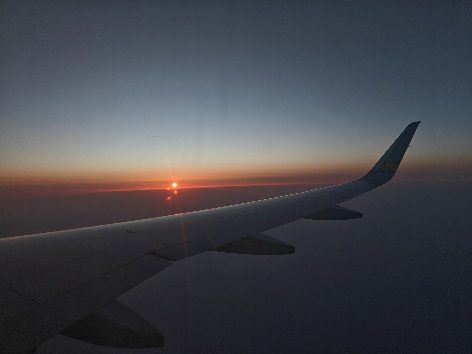
Just before winter break, I stared at my phone's map for a long time—and finally set my destination as Xiamen. A child who grew up in the north harbors a stubborn imagination of a southern seaside winter.
寒假前,我对着手机地图看了很久——最终把目的地定在了厦门。一个北方长大的孩子,对南方海边的冬天有种固执的想象。
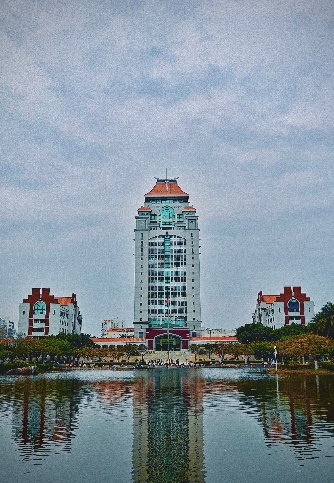
At XMU
Entering the campus of Xiamen University, I paused for a moment. Universities in the north are shades of gray and white in winter, but here—the Furong Lake's water was emerald, the trees were lush, even the air seemed tinged with the scent of grass. Students walked past on the flagstone paths, books in their arms, discussing something in soft voices. I sat on the steps of Shangxian Sports Ground, looking at the faint line of the distant sea horizon, and suddenly felt the word "university" took on a different shape here. I later learned that Mr.Lu Xun once taught here. Those red-brick buildings covered in vines—I wonder which ones he walked past.
在厦大
踏入厦门大学校园的那一刻,我不由得驻足。北方的高校,冬日里尽是灰白的色调,而这里,芙蓉湖的水是翠绿的,树木郁郁葱葱,连空气里都仿佛萦绕着草木的清香。石板路上,学子们抱着书本擦肩而过,轻声探讨着。我坐在上弦场的台阶上,望着远处海平面那道模糊的轮廓,忽然觉得,“大学”二字,在这里有了别样的模样。后来才知,鲁迅先生也曾在此执教。那些爬满藤蔓的红砖建筑,不知哪一处,曾留下过他的足迹。
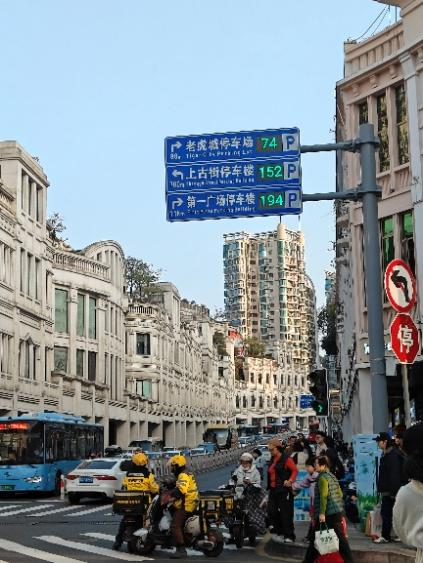
At Zhongshan Road
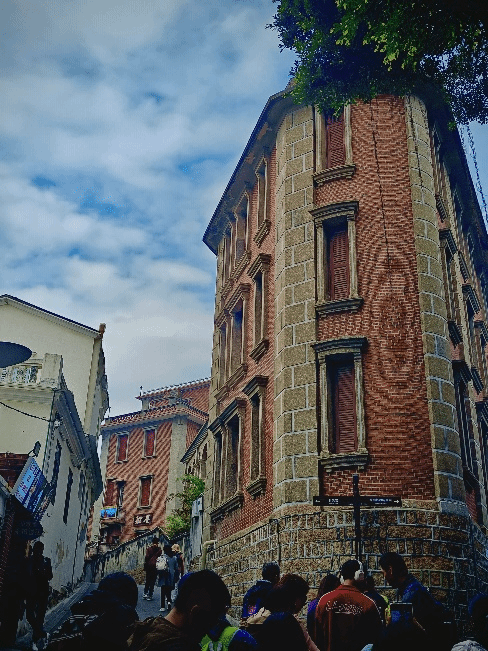
The arcades along Zhongshan Road are distinctive—retro Western-style architecture, but underneath, they sell all kinds of snacks like sha cha mian (satay noodles) and pastries. While I was taking photos, I heard bursts of laughter—a dozen or so people gathered in a circle on a street corner, learning phrases from an auntie. "Come on, repeat after me, 'Yǒu dī shì tōng qiàn wú?'" (Is there a taxi available?) I went over to listen. She was teaching them a dialogue about taking a taxi, gesturing as if dancing. That evening, we found an old restaurant and specifically ordered a lobster. When it was served, I was startled—it was literally longer than my forearm. The owner showed us how to crack the shell: "Start from the tail here, be careful." The meat was sweet, dipped in a little garlic soy sauce. I finally understood what "fresh" truly means.
在中山路
中山路的商业街区别具特色,复古的西式建筑下,藏着沙茶面、各式糕点等琳琅满目的小吃。我正拍照时,一阵欢声笑语传来——街角处十几个人围成一圈,跟着一位阿姨学说话。“来,跟我念,‘有的士通倩无?’”我凑过去听,原来阿姨在教大家打车的闽南话对话,边说边手舞足蹈地比着手势。当晚,我们寻到一家老牌菜馆,特意点了一只龙虾。端上桌时,我着实惊了——那龙虾的长度,竟比我的小臂还要长。老板手把手教我们剥壳:“从虾尾这里开始,小心点。”虾肉鲜甜,蘸上一点蒜蓉酱油,我才算真正懂得了“鲜”的滋味。
On Gulangyu Island
The weather that day was so nice that I kept forgetting it was January. Wearing a light sweatshirt, I walked to the ferry terminal, seeing friends from the north posting snowy scenes on WeChat.
The boat to Gulangyu Island set off around nine, rocking gently, and in twenty minutes, we arrived at Sanqiutian Pier. In the Organ Museum, those huge old pipe organs stood quietly like silent giants. The Piano Museum was more refined; through the glass, you could see the subtle wear on the keys. Both museums have staff who demonstrate the instruments. At the Piano Museum, a staff member played a modern song, "What the World Gave Me" on a 1937 German-made Blüthner piano. The interweaving of ancient and contemporary in the melody had a unique flavor.
At Haoyue Garden—on the pathway stretching into the sea—I walked along, looked up, and suddenly, the Twin Towers on the opposite shore appeared before my eyes. The ancient island and the modern city, separated only by a strip of shallow sea. Wandering into a Xinhua Bookstore on the island, I found a shared piano for visitors to play. I tried a few melodies myself; the tone was precise, clearly well-maintained. Stepping out of the bookstore, the Music Hall was just ahead, bearing a slogan: "On Gulangyu, everyone can play the piano."
在鼓浪屿
那日的天气好得让我屡屡忘记,此刻已是一月。身着薄卫衣,我赶到轮渡码头,看到北方的朋友们在微信里晒着漫天飞雪。
九点左右,前往鼓浪屿的轮渡起航,船身轻轻摇晃,二十分钟后,便抵达了三丘田码头。风琴博物馆里,一架架古老的巨型管风琴静静伫立,宛如沉默的巨人。钢琴博物馆则更显雅致,透过玻璃,能看见琴键上淡淡的磨损痕迹。两座博物馆都有工作人员现场演奏,钢琴博物馆中,一位工作人员用一架1937年德国产的博兰斯勒钢琴,弹奏了一曲现代歌曲《世界赠予我的》。旋律中,古典与现代交织,生出别样的韵味。
皓月园里,沿着向海中延伸的步道前行,抬头间,对岸的双子塔蓦然映入眼帘。古朴的小岛与摩登的城市,仅隔一湾浅浅的海水。无意间走进岛上的一家新华书店,竟发现有供游客弹奏的公共钢琴。我抬手弹了几段旋律,琴音清脆精准,显然是被悉心保养着。走出书店,前方便是音乐厅,门口的标语格外暖心:“在鼓浪屿,人人皆可弹钢琴。”
At Xiamen Botanical Garden
I underestimated Xiamen Botanical Garden. Reading guides, I only remembered phrases like "serene and comfortable, great for photos," and missed the comments about "wearing good walking shoes." Not even a few hundred meters from the entrance, the climbing began. The Cactus and Succulent Zone was up the hill; I huffed and puffed, step by step, along the winding stone steps. But the sight at the greenhouse was indeed spectacular—two- to three-meter-tall cacti looked like alien plants.
Still, the most beautiful was the Tropical Rainforest Zone. Mist drifted through, sunlight filtering through the leaves—truly dreamlike. After leaving the botanical garden, I took a taxi to a nearby mall, about five or six kilometers away. The driver was quite chatty, pointing out the window from time to time: "Sha cha mian is breakfast for us locals. If you want to try it, go to this place, Wutang Sha Cha Mian—it's the authentic taste!" His mix of local dialect and Mandarin meant I didn't catch every word, but his enthusiasm was overflowing. In the end, he cheerfully charged only the base fare, much less than what the meter showed.
在厦门植物园
我竟小瞧了厦门植物园。看攻略时,只记住了“清幽惬意,出片率高”,却忽略了那句“建议穿舒适的步鞋”。从入口出发还没走几百米,山路便开始蜿蜒向上。沙生植物区在山上,我喘着气,一步一阶沿着曲折的石阶往上走。但温室里的景致,着实惊艳——两三米高的仙人掌,模样宛若外星植物。
而园中最美的,当属热带雨林区。薄雾缭绕,阳光透过枝叶的缝隙洒落,宛若梦境。离开植物园后,我打车前往五六公里外的一家商场。司机师傅十分健谈,不时指着窗外介绍:“沙茶面是我们本地人的早餐。想尝的话,就去乌糖沙茶面,那才是正宗的味道!”他的话里夹杂着闽南话和普通话,我虽不是字字听清,却能感受到满溢的热情。最后,师傅乐呵呵地只收了起步价,比计价器显示的金额少了不少。
Taidi Station, By the Seaside
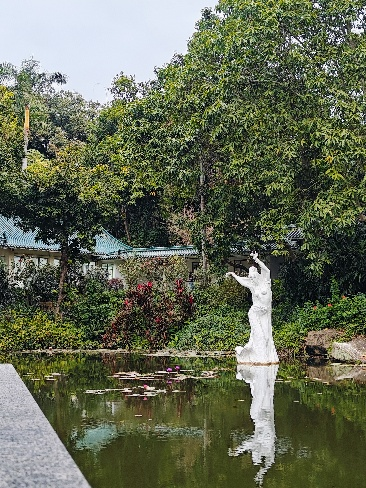
The last day, I went to the seaside. This was a filming location for one of my favorite TV series. I mimicked the characters' lines, which gave me a uniquely different feeling.
海滨,泰地站
行程的最后一天,我去了海边。这里是我最爱的一部电视剧的取景地,学着剧中人物的台词轻声念出,心中别有一番独特的感觉。
厦门结语
As the return train slowly pulled out of the station, this journey was nearly over. I had intentionally planned this trip to be relaxed, rejecting "blitzkrieg-style tourism." There was little sense of obligatory sightseeing, only a feeling of participating in local life. So, what Xiamen offered me wasn't breathtaking scenery, but a gentle reminder of a "slower-paced life." These five days felt like the first "interlude" of 2026—a summer movement inserted into the main melody of winter.
返程的列车缓缓驶出车站,这段旅程也近尾声。我特意将此行规划得轻松闲适,拒绝“走马观花式”的打卡,没有丝毫被迫观光的疲惫,唯有融入本地生活的惬意。厦门赠予我的,从不是令人惊叹的奇景,而是一份温柔的提醒——慢下来生活。这五日的时光,恰似2026年的第一支“插曲”,在冬日的主旋律里,揉进了一段夏日的乐章。
指导教师:李 莹
图 文:高永翱
编 辑:肖春娇
初 审:李 莹
复 审:刘玲玲
终 审:唐艺军 万 君