2026年,基础教学部正式开启“行走·讲述·传承”——Travel Far, Tell China's Story, Pass On the Spirit of China 讲好中国故事活动。活动以“踏迹文化阵地,厚植家国情怀,讲好中国故事”为主题,鼓励同学们走出课堂、走进社会,在行走中感知中华文脉,在表达中传播中国声音。
本期推文分享的是电信研25-3焦天昊同学的端午民俗之旅。端午将至,他走进城市街巷与民俗活动现场,在粽叶清香、艾草气息与五彩丝线中感受传统节日的文化温度;探寻端午习俗背后的历史记忆与家国情怀,用中英文讲述中华优秀传统文化在当代生活中的延续与新生。
Hello everyone! I’m tianhao jiao from Class 25-3. Inspired by the school activity “Walk, Tell, Inherit”, I took a special cultural walk before the Dragon Boat Festival. Instead of treating the festival only as a holiday, I tried to observe it as a living classroom of Chinese culture. Today, I would like to share my experience with you in English and Chinese. Let’s walk into the fragrance of zongzi, mugwort and tradition together.
Part 1 The Taste of Dragon Boat Festival
端午味道
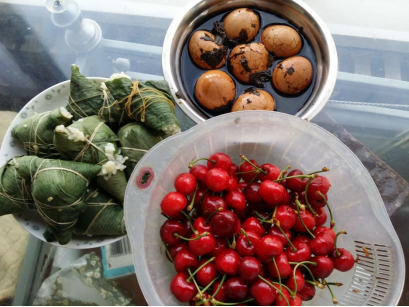
端午将至,街巷里已经有了节日的气息。市场中,翠绿的粽叶被整齐摆放,糯米、红枣、蜜枣和红豆摆满摊位;社区门口,老人们一边整理艾草,一边讲述端午挂艾、佩香囊、系五彩绳的习俗。这样的场景让我感到,传统节日并不只存在于书本里,它就存在于百姓的生活中,在一代又一代人手中延续。在行走过程中,最先打动我的是粽叶的清香。人们准备糯米、红枣和豆类来包粽子,整个市场都充满了温暖的节日氛围。粽子不仅是一种食物,更是一种团圆、记忆与亲情的象征。通过这一枚小小的传统食物,我感受到了中国家庭之间深厚的情感连接。
As the Dragon Boat Festival approaches, the streets and alleys are already filled with a festive atmosphere. In the market, green zongzi leaves are neatly displayed, while glutinous rice, red dates, candied dates and red beans fill the stalls. At the entrance of the community, elderly people arrange mugwort and talk about traditional customs such as hanging mugwort, wearing sachets and tying five-colored threads. These scenes made me realize that traditional festivals do not only exist in books. They live in ordinary people’s daily lives and are passed down from generation to generation through people’s hands.During my walk, the first thing that impressed me was the fragrance of zongzi leaves. People were preparing glutinous rice, red dates and beans for zongzi, and the whole market was filled with a warm festive atmosphere. Zongzi is not only a kind of food, but also a symbol of reunion, memory and family love. Through this small traditional food, I felt the deep emotional connection among Chinese families.
Part 2 The Spirit Behind Customs
民俗背后的精神
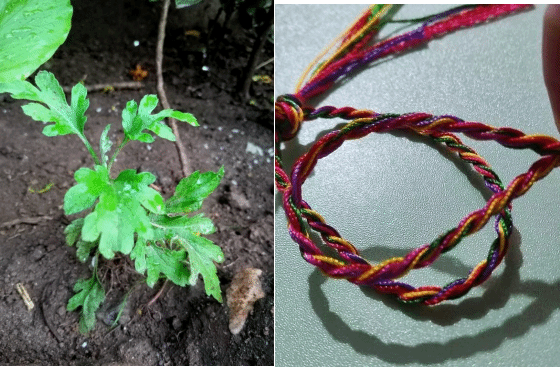
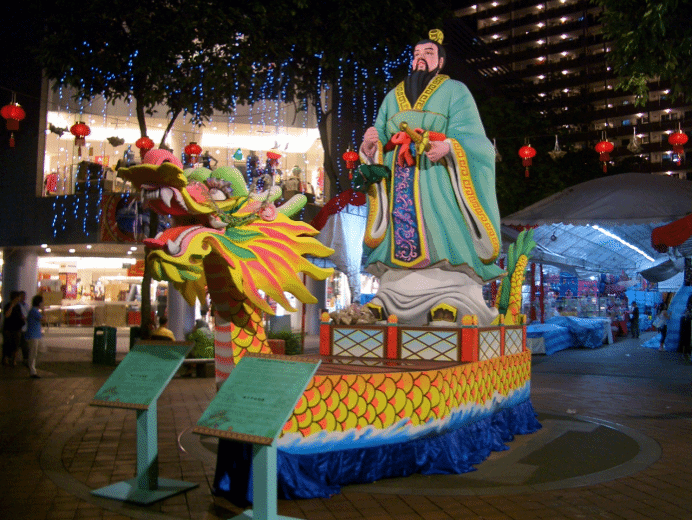
端午节不仅有粽香,也有深厚的历史记忆。提到端午,人们自然会想到屈原。千百年来,端午节承载着人们对爱国诗人的纪念,也寄托着中华民族对忠诚、正直与家国情怀的尊重。常常让我们想起中国历史上伟大的爱国诗人屈原。他对国家的忠诚与热爱影响了一代又一代中国人。因此,端午节不仅关于民俗,也关于民族精神。它提醒我们铭记历史、尊重文化、珍惜今天的幸福生活。在行走过程中,我看到许多人购买艾草和香囊。艾草的清香、香囊的纹样、五彩绳的颜色,都让我感受到中国传统民俗的独特魅力。这些习俗表达了人们祈愿安康、驱邪避疫、珍爱生命的朴素愿望,也体现了中华文化中人与自然和谐共生的智慧。
The Dragon Boat Festival is not only filled with the fragrance of zongzi, but also carries deep historical memory. When people mention this festival, they naturally think of Qu Yuan. For thousands of years, the Dragon Boat Festival has carried people’s remembrance of this patriotic poet and expressed the Chinese nation’s respect for loyalty, integrity and patriotism.The Dragon Boat Festival reminds us of Qu Yuan, a great patriotic poet in Chinese history. His loyalty and love for the country have influenced generations of Chinese people. Therefore, the festival is not only about folk customs, but also about national spirit. It reminds us to remember history, respect culture and cherish the happy life we have today.During my walk, I saw many people buying mugwort and sachets. The fragrance of mugwort, the patterns of sachets and the colors of five-colored threads all allowed me to feel the unique charm of traditional Chinese folk customs. These customs express people’s simple wishes for health, safety and protection from disease, and also reflect the wisdom of harmony between human beings and nature in Chinese culture.
Part 3 Walking, Feeling and Telling
行走、感悟与讲述
这次端午民俗行走让我更加理解“行走—感悟—表达—传扬”的意义。走出课堂后,我发现生活本身就是一本生动的文化教材。市场、街巷、社区、家庭,都是观察中国文化的重要窗口。只有真正走近传统,才能更真切地理解传统;只有把看到的、想到的表达出来,传统文化才能被更多人听见、看见和记住。作为新时代青年,我们不仅要从书本中学习中华文化,也要在现实生活中亲身体验中华文化。行走让我们有机会看见,思考帮助我们理解,讲述则让我们能够把中国故事分享给世界。这正是当代青年应有的责任与自信。
This Dragon Boat Festival folk-custom walk helped me better understand the meaning of “Walking—Perceiving—Expressing—Spreading”. After stepping out of the classroom, I found that life itself is a vivid cultural textbook. Markets, streets, communities and families are all important windows for observing Chinese culture. Only by truly approaching tradition can we understand it more deeply. Only by expressing what we have seen and thought can traditional culture be heard, seen and remembered by more people.As young people in the new era, we should not only learn Chinese culture from books, but also experience it in real life. Walking gives us a chance to see; thinking helps us understand; telling allows us to share China’s stories with the world. This is the responsibility and confidence that young people today should have.
Conclusion
结语
这次端午民俗之旅,是我感知中华传统文化的一次生动实践。粽叶清香让我体会到家的温度,艾草香囊让我感受到民俗智慧,屈原精神让我理解了节日背后的家国情怀。端午节不仅是中华民族的重要传统节日,更是一堂关于历史、文化与精神传承的行走课堂。用脚步丈量文化,用语言讲述中国。作为新时代青年,我们应当在传统节日中坚定文化自信,在行走体验中厚植家国情怀,让中华优秀传统文化在我们的讲述中继续传承、焕发光彩。
This Dragon Boat Festival folk-custom journey was a vivid practice for me to experience traditional Chinese culture. The fragrance of zongzi leaves helped me feel the warmth of home; mugwort and sachets showed me the wisdom of folk customs; the spirit of Qu Yuan helped me understand the patriotism behind the festival. The Dragon Boat Festival is not only an important traditional festival of the Chinese nation, but also a walking classroom about history, culture and spiritual inheritance.We measure culture with our steps and tell China’s stories with our words. As young people in the new era, we should strengthen our cultural confidence through traditional festivals, cultivate patriotism through walking experiences, and allow excellent traditional Chinese culture to be inherited and shine brightly through our storytelling.
指导教师:李莹
图文:焦天昊
编辑:肖春娇
初审:李莹
复审:刘玲玲
终审:唐艺军 万君