2026年,基础教学部外语教研室联合外语党支部正式开启“行走· 讲述· 传承”—— Travel Far, Tell China’s Stories, Pass On the Spirit of China 讲好中国故事活动。活动以“踏迹文化阵地,厚植家国情怀,讲好中国故事”为主题,面向全校学生常态化开展研学实践。旨在依托研学之旅,引导学生亲身领略祖国壮美山河、感悟中华深厚文脉,着力打造沉浸式文化浸润与家国情怀育人实践课堂;同时鼓励学生以英语为载体,向世界讲好真实立体的中国故事,赓续中华民族精神血脉。
同学们探访文博场馆、分享历史文化、介绍山河风貌,用英语讲述鲜活生动的中国故事,在行走体验与对外表达中厚植民族底气、提升文化自信。本期研学分享,让我们跟随电信研25-3班付俊伟同学的脚步,登城墙、走古街、观石坊,在行走中触摸古城文脉,感受历史建筑与当代生活的交融,思考新时代青年应当如何理解、保护和讲述身边的文化遗产。
Hello everyone! I am Junwei Fu from the Telecommunications Graduate Class 25-3. Inspired by the school’s “Walk, Tell, and Inherit” activity, I visited Xingcheng Ancient City, historically known as Ningyuan. During this walk, I tried to see the ancient city not only as a tourist destination, but also as a living record of history. From its walls and streets to its archways and everyday life, I discovered how the past continues to shape the present. Today, I would like to share this journey in both Chinese and English.
Part 1: The Echoes of the City Walls
城垣里的历史回声
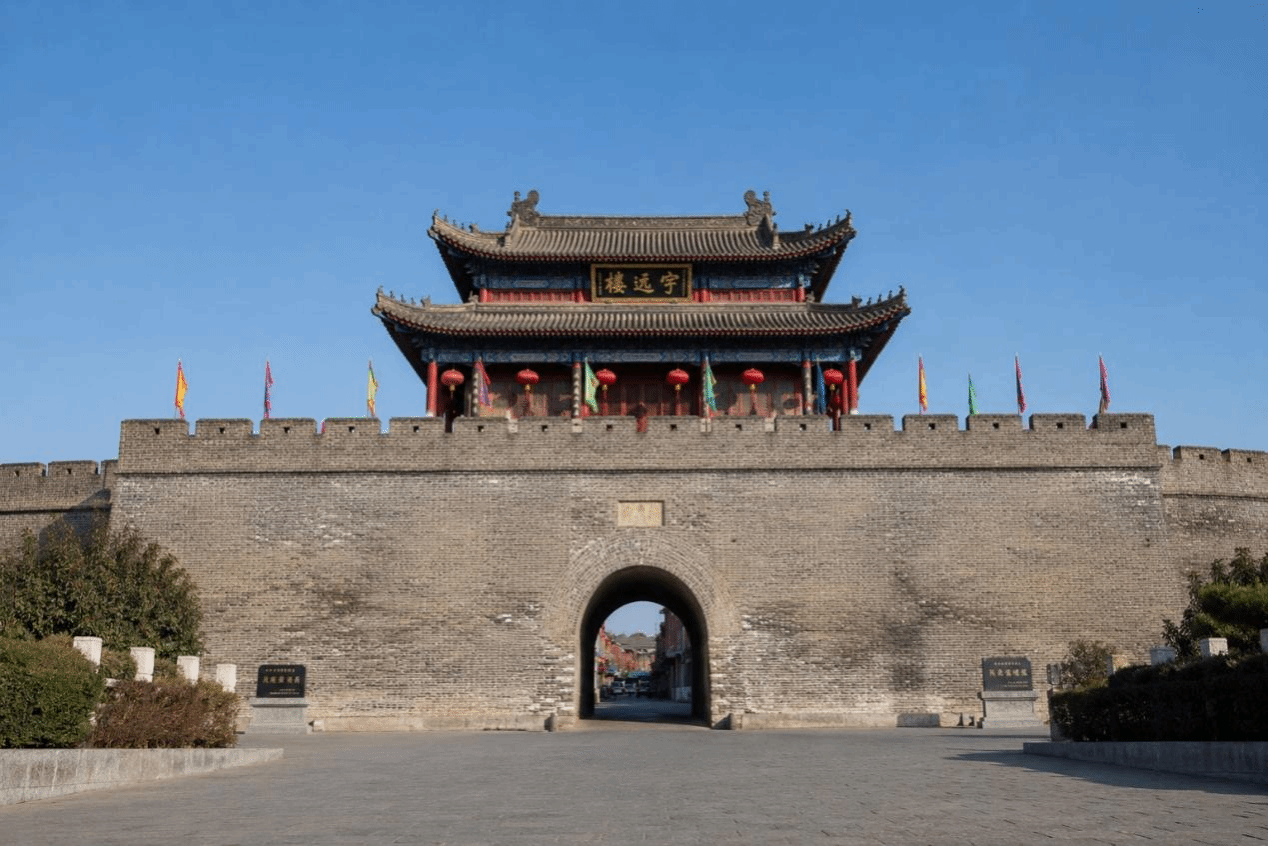
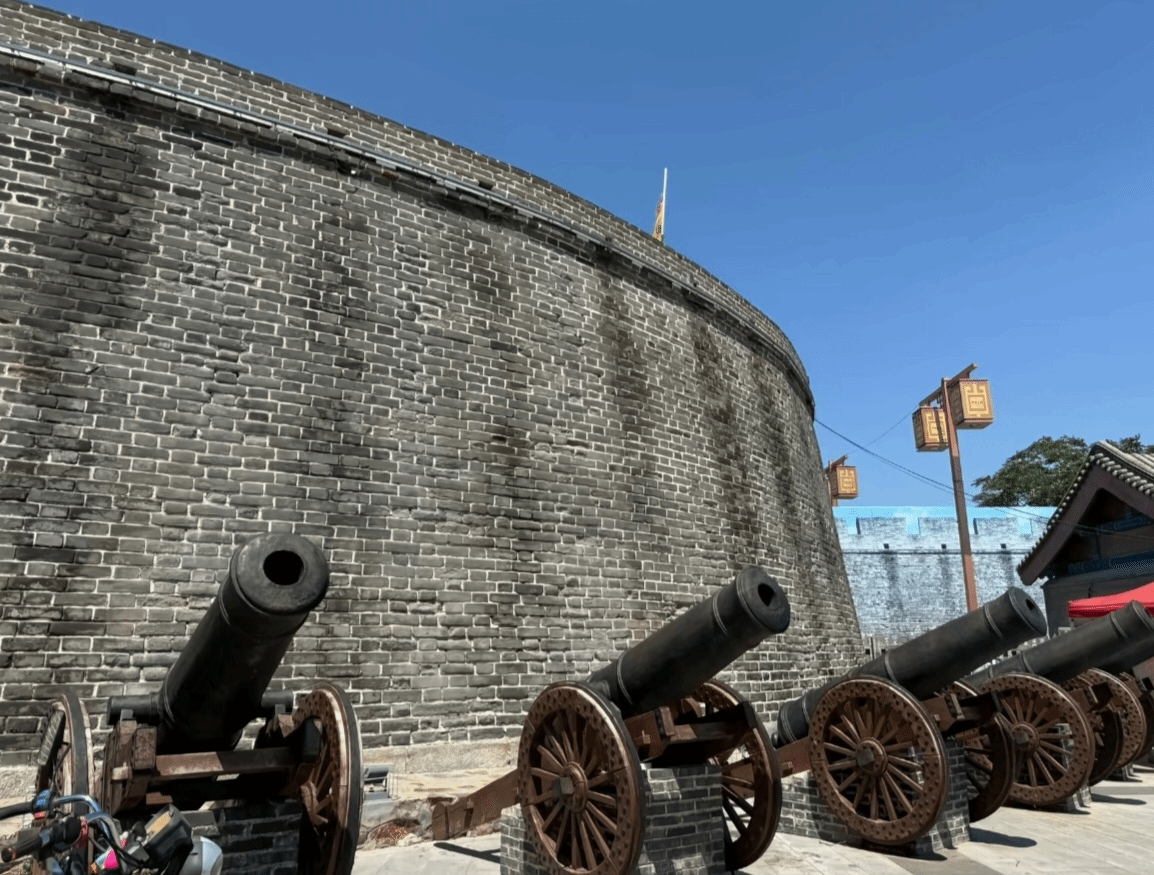
走近兴城古城,首先映入眼帘的是高大厚重的城墙。墙体的砖石并不华丽,岁月留下的痕迹却让它显得格外沉静而庄重。登上城墙向远处望去,古城的轮廓渐渐清晰:钟鼓楼位于城中,街道向四方延伸,屋顶、城楼与远处的现代建筑同时进入视野。这一刻,历史不再只是课本中的年代和名称,而成了可以用双脚丈量、用双手触摸的真实存在。
As I approached Xingcheng Ancient City, the first thing that caught my eye was its tall, solid city wall. The bricks were not ornate, but the marks left by time gave the wall a quiet dignity. From the top, the outline of the ancient city gradually came into view: the Bell and Drum Tower stood at its center, streets extended in four directions, and old rooftops and gate towers appeared alongside modern buildings in the distance. At that moment, history was no longer merely a collection of dates and names in textbooks. It became something real that could be explored on foot and touched by hand.
兴城古城旧称宁远,曾是辽西走廊上的重要城池。风吹过城垛,仿佛也把人的思绪带回遥远的岁月。古人曾在这里守望家园,今天的我们则在这里回望历史。城墙见证的不仅是战争与防守,更是一代代人对家园的守护。
Xingcheng Ancient City was formerly known as Ningyuan and once served as an important stronghold along the Liaoxi Corridor. As the wind swept over the battlements, it seemed to carry my thoughts back through the centuries. People once stood here to defend their homeland; today, we stand here to reflect on history. The city wall has witnessed not only wars and defense, but also generations of people protecting the land they called home.
Part 2: Archways, Old Streets and Everyday Life
石坊古街与人间烟火
从城墙走入古城,钟鼓楼和古街逐渐拉近了历史与现实的距离。钟鼓楼静静立在街道中心,经过的游人仰头观看,商铺里传来交谈声,附近的居民依然按照自己的节奏生活。古建筑没有被隔绝在日常之外,而是成为了日常的一部分。
Walking down from the city wall and into the ancient city, the Bell and Drum Tower, together with the old streets, gradually brought history closer to the present. The tower stood quietly at the center of the streets. Visitors looked up at it, conversations drifted from nearby shops, and local residents continued their daily routines. The ancient buildings were not separated from everyday life; they had become part of it.
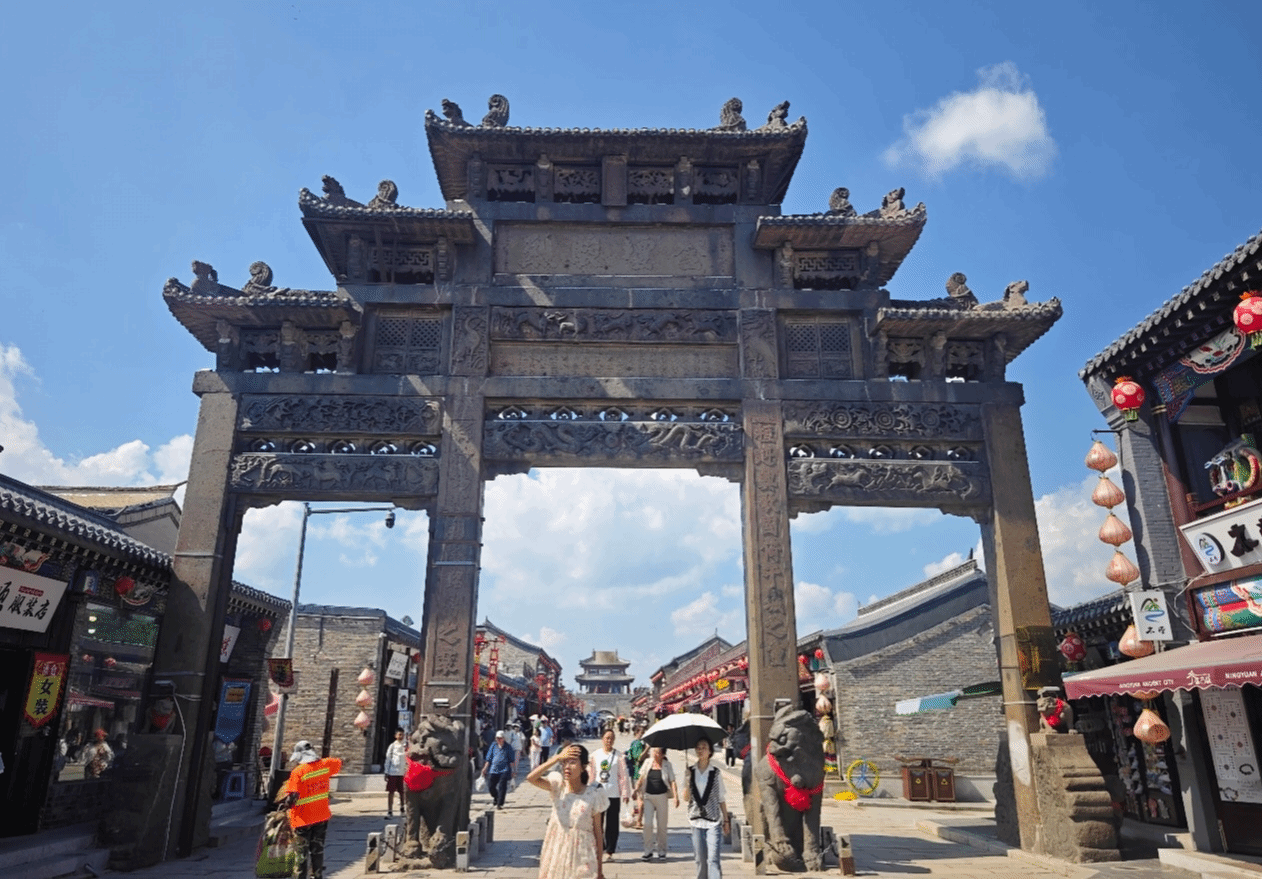
街上的祖氏石坊尤其引人注目。石刻纹饰和文字已经历了长久风雨,仍然保留着一种坚定的力量。它们不只是拍照的背景,也是读懂城市历史的文化坐标。我也逐渐明白,保护古城不是把它停留在过去,而是让老建筑、老街巷与当代生活相互尊重,让文化在真实的人间烟火中继续生长。
The Zu family stone archways were especially striking. Although their carved patterns and inscriptions have endured centuries of wind and rain, they still convey a sense of strength. They are more than backgrounds for photographs; they are cultural landmarks that help us understand the city’s history. I gradually realized that preserving an ancient city does not mean keeping it frozen in the past. It means allowing historic buildings, old streets and modern life to coexist in harmony, so that culture can continue to thrive amid the rhythms of everyday life.
Part 3: Walking, Understanding and Telling
行走、理解与讲述
在这次行走之前,我对兴城古城的认识更多来自地图、图片和简短介绍。真正走入其中后,我才发现,一座古城的意义不只藏在历史故事里,也藏在砖墙的质感、街巷的尺度、居民的生活和游人的脚步中。
This walk changed the way I understood Xingcheng Ancient City. Before visiting it, I knew the place mainly through maps and photographs. After walking through its gates and streets, I realized that the meaning of an ancient city exists not only in historical accounts, but also in the texture of its bricks, the rhythm of its streets and the lives of the people within it.
行走让我看见,思考让我理解,讲述则让这份理解有机会被更多人听见。作为新时代青年,我们不仅要记住历史,更应主动走近文化遗产,理解它、爱护它,并用真实、生动的语言向更多人讲述它。
Walking gives us the chance to see. Reflection helps us understand. Storytelling allows what we have learned to reach others. As young people today, we should approach cultural heritage with curiosity and respect, protect it through responsible action, and tell its stories in a truthful and vivid way.
Conclusion
结语
这次兴城古城之行,是一次从课本走向大地的文化学习。城墙让我看见守护的力量,钟鼓楼和石坊让我感受历史的厚度,古街上的烟火生活则让我理解文化传承的温度。古城并不遥远,它就在今天的生活里,等待我们走近、阅读和讲述。
This journey through Xingcheng Ancient City was a cultural lesson beyond the classroom. The wall showed me the strength of protection, the tower and archways revealed the depth of history, and the lively streets helped me feel the warmth of cultural inheritance. The ancient city is not distant from us. It continues to live in the present, waiting to be explored, understood and shared.
用脚步丈量古城,用眼睛发现历史,用语言讲述中国。愿我们在每一次行走中读懂家乡,在每一次讲述中坚定文化自信。
Let us measure the ancient city with our steps, discover history with our eyes, and tell China's stories with our words.
指导教师:李莹
图文:付俊伟
编辑:肖春娇
初审:李莹
复审:刘玲玲
终审:唐艺军 万君