2026年,基础教学部外语教研室联合外语党支部“正式开启“行走·讲述·传承”—— Travel Far, Tell China’s Stories, Pass On the Spirit of China 讲好中国故事活动。活动以“踏迹文化阵地,厚植家国情怀,讲好中国故事”为主题,面向全校学生常态化开展研学实践。旨在依托研学之旅,引导学生亲身领略祖国壮美山河、感悟中华深厚文脉,着力打造沉浸式文化浸润与家国情怀育人实践课堂;同时鼓励学生以英语为载体,向世界讲好真实立体的中国故事,赓续中华民族精神血脉。
同学们探访文博场馆、分享历史文化、介绍山河风貌,用英语讲述鲜活生动的中国故事,在行走体验与对外表达中厚植民族底气、提升文化自信。
本期研学分享,让我们跟随电信研25-4班刘辰同学的脚步,走进辽沈战役纪念馆,在展品与史料中触摸那段烽火岁月,感受革命先烈用鲜血与信念铸就的胜利丰碑,思考新时代青年应当如何铭记历史、传承精神、讲好中国故事。
Hello everyone! Inspired by the school’s “Walk, Tell, and Inherit” activity, I visited the Liaoshen Campaign Memorial in Jinzhou, Liaoning Province. The Liaoshen Campaign was one of the three major campaigns during the Chinese Civil War in 1948, marking a decisive turning point in the nation’s history. During this visit, I tried to see the memorial not only as a museum, but also as a living testament to courage, sacrifice and the enduring spirit of the Chinese people. Today, I would like to share this journey in both Chinese and English.
Part 1: Stepping into the Memorial
踏入纪念馆
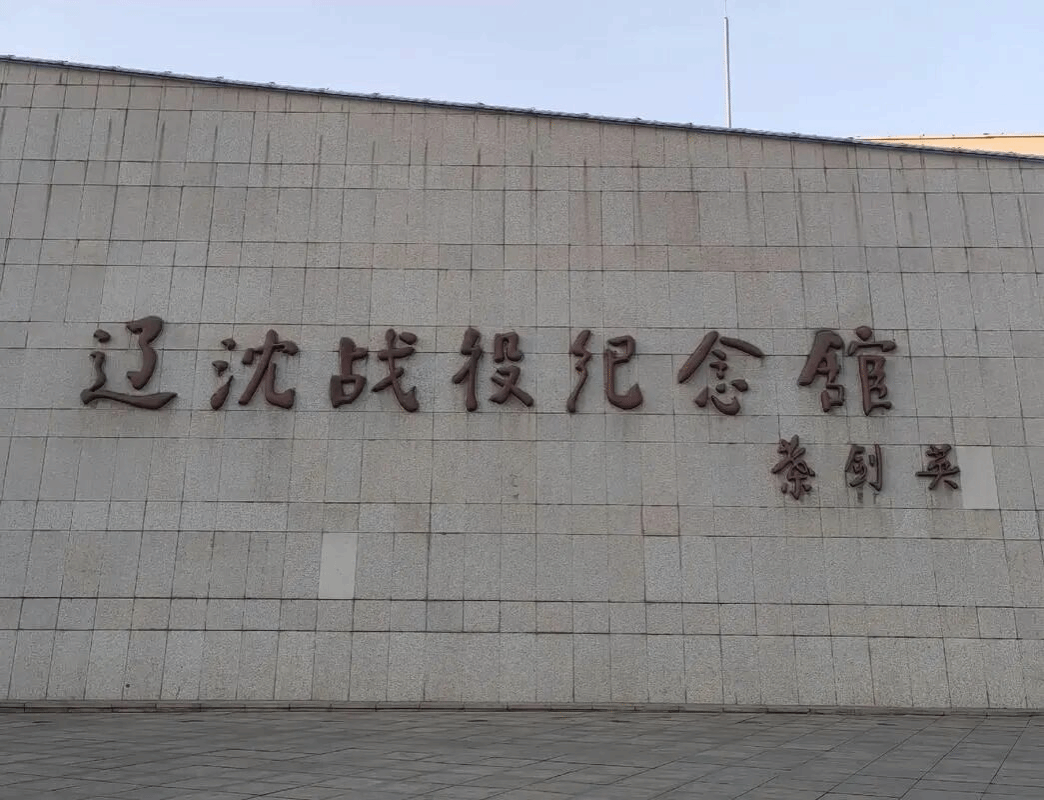
走近辽沈战役纪念馆,一座庄严肃穆的建筑矗立在眼前。纪念馆坐落于锦州这座英雄城市,承载着辽沈战役的历史记忆。辽沈战役是20世纪中期中国人民解放战争中具有决定意义的三大战役的第一个战役,也是解放战争的首场战略决战。踏入展厅的那一刻,厚重的历史感扑面而来——墙上的时间轴、展柜中的文物、地面上的战事地图,每一个细节都在无声地讲述着那段波澜壮阔的岁月。这里不仅是一座纪念馆,更是一座精神的殿堂,让我们得以在和平年代重新触摸曾经那段波澜壮阔的烽火岁月。
As we stepped into the Liaoshen Campaign Memorial, a solemn and dignified building stood before us. Located in the heroic city of Jinzhou, this memorial carries the historical memory of the major campaign in 1948 that changed the destiny of China. The moment we entered the exhibition hall, a profound sense of history enveloped us — the timeline on the wall, the artifacts in the display cases, the military maps on the floor, every detail silently recounted that magnificent and turbulent era. This is not merely a memorial; it is a spiritual sanctuary that allows us, in times of peace, to once again touch the fiery years of war.
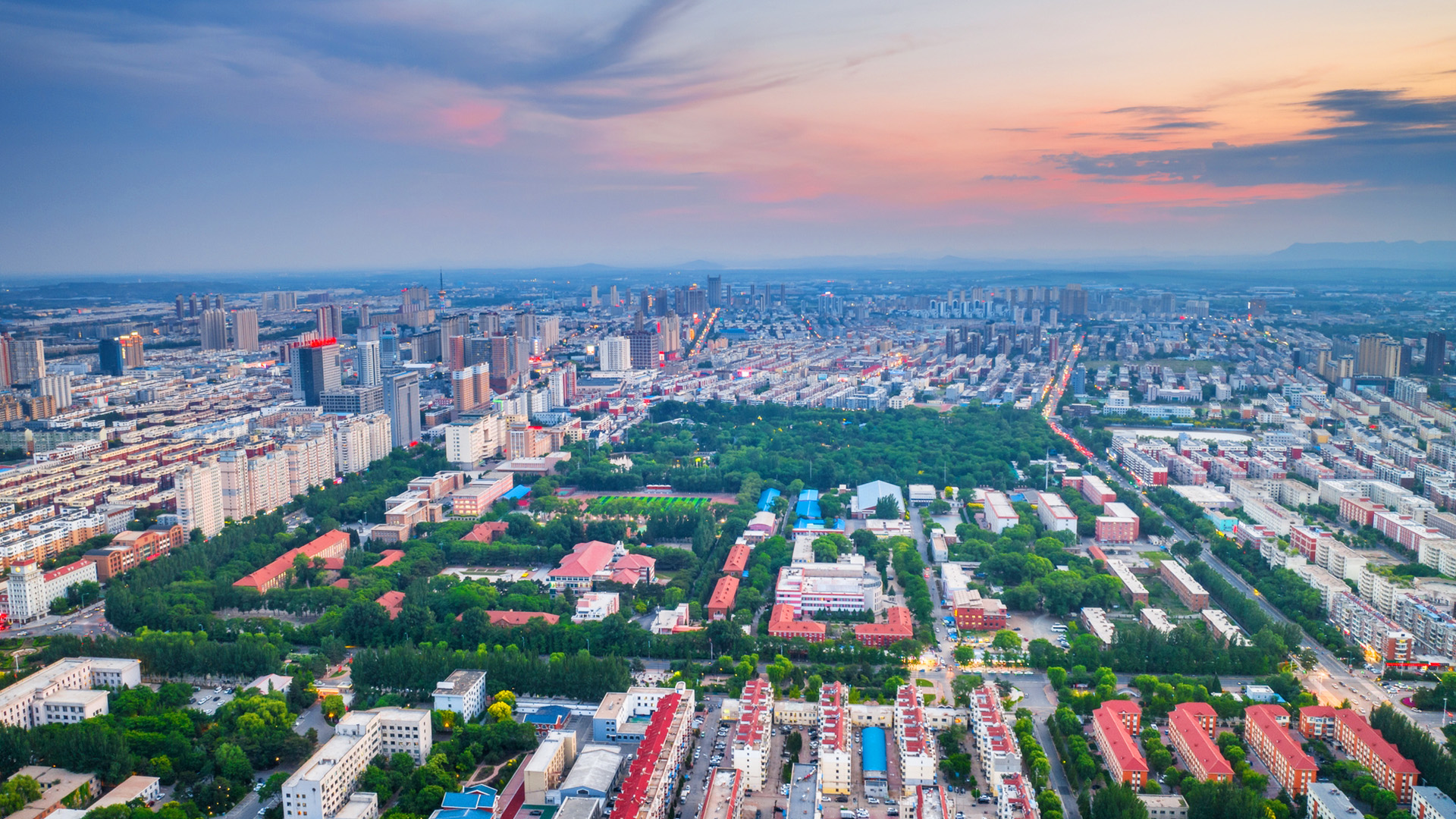
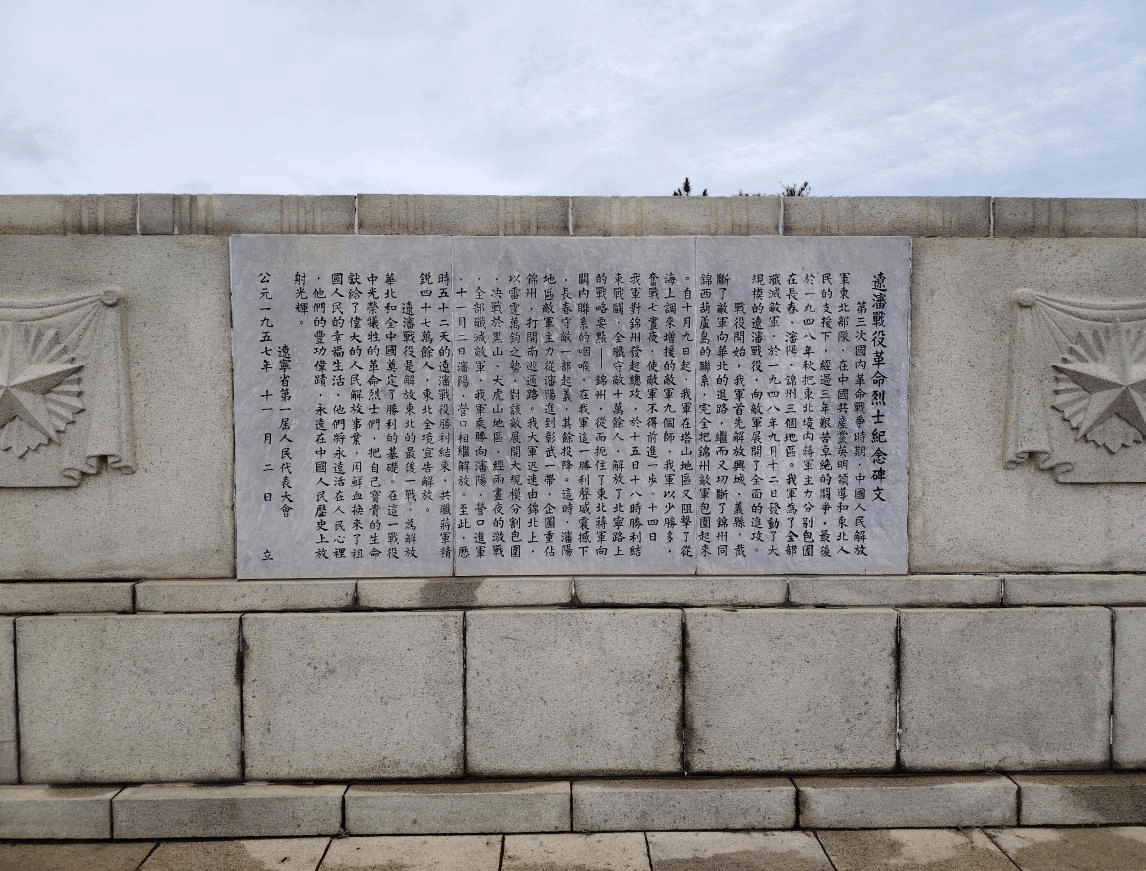
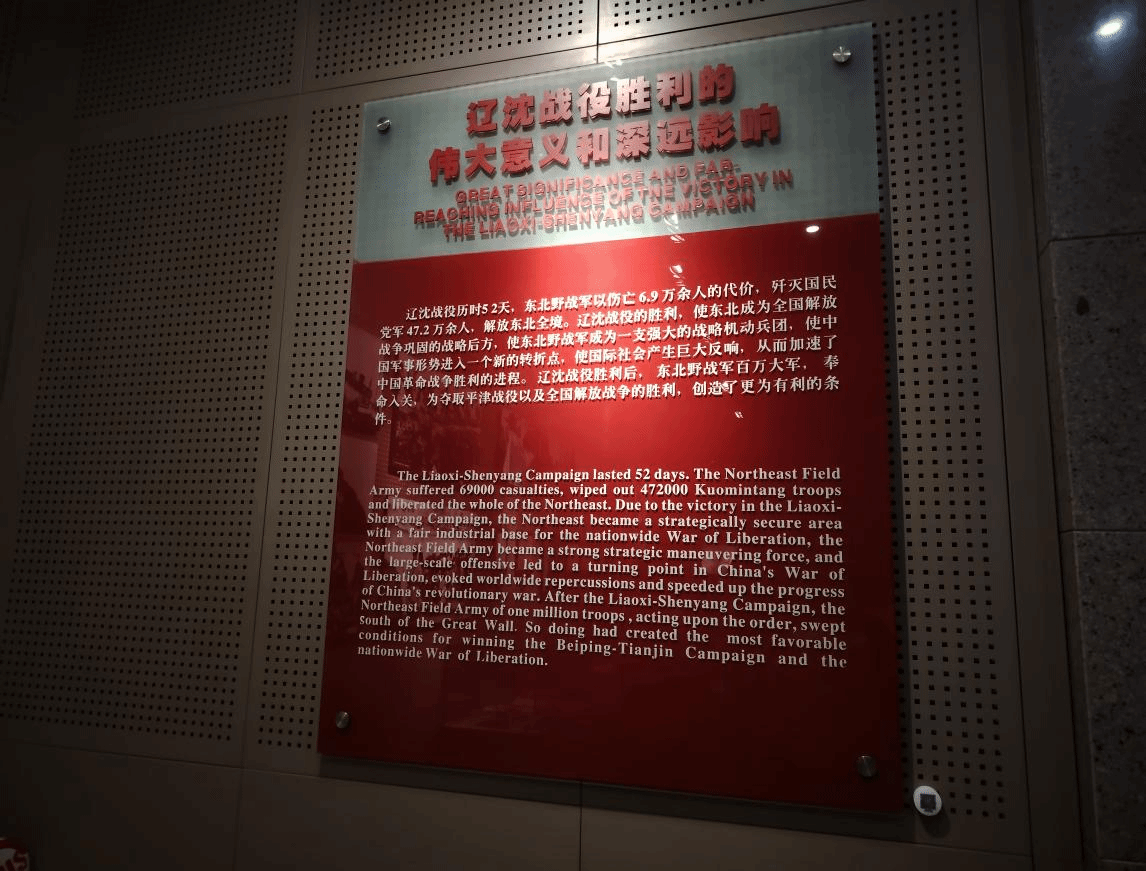
锦州,这座被历史选中的城市,在辽沈战役中扮演了至关重要的角色。1948年9月12日至11月2日,东北野战军在东北战场发起了辽沈战役,历时52天,歼敌47.2万余人,解放了东北全境。夺取锦州,封闭东北国民党军队退入关内的大门——毛泽东同志提出的这一“关门打狗”战略方针,体现了老一辈革命家高超的战略眼光和战略谋划。纪念馆以丰富的史料和实物,将这段历史完整而鲜活地呈现出来,让参观者不仅 “看见”历史,更 “走进”历史。
Jinzhou, the city chosen by history, played a crucial role in the Liaoshen Campaign. From September to November 1948, the Chinese People’s Liberation Army launched the Liaoshen Campaign in the Northeast battlefield. Lasting 52 days, it annihilated over 470,000 enemy troops and liberated the entire Northeast. Capturing Jinzhou sealed the retreat route of the Nationalist forces into the interior — a strategic decision known as “closing the door to trap the enemy,” which demonstrated brilliant military wisdom and bold determination. The memorial presents this history completely and vividly through rich historical materials and artifacts, allowing visitors not merely to “see” history, but to “walk into” it.
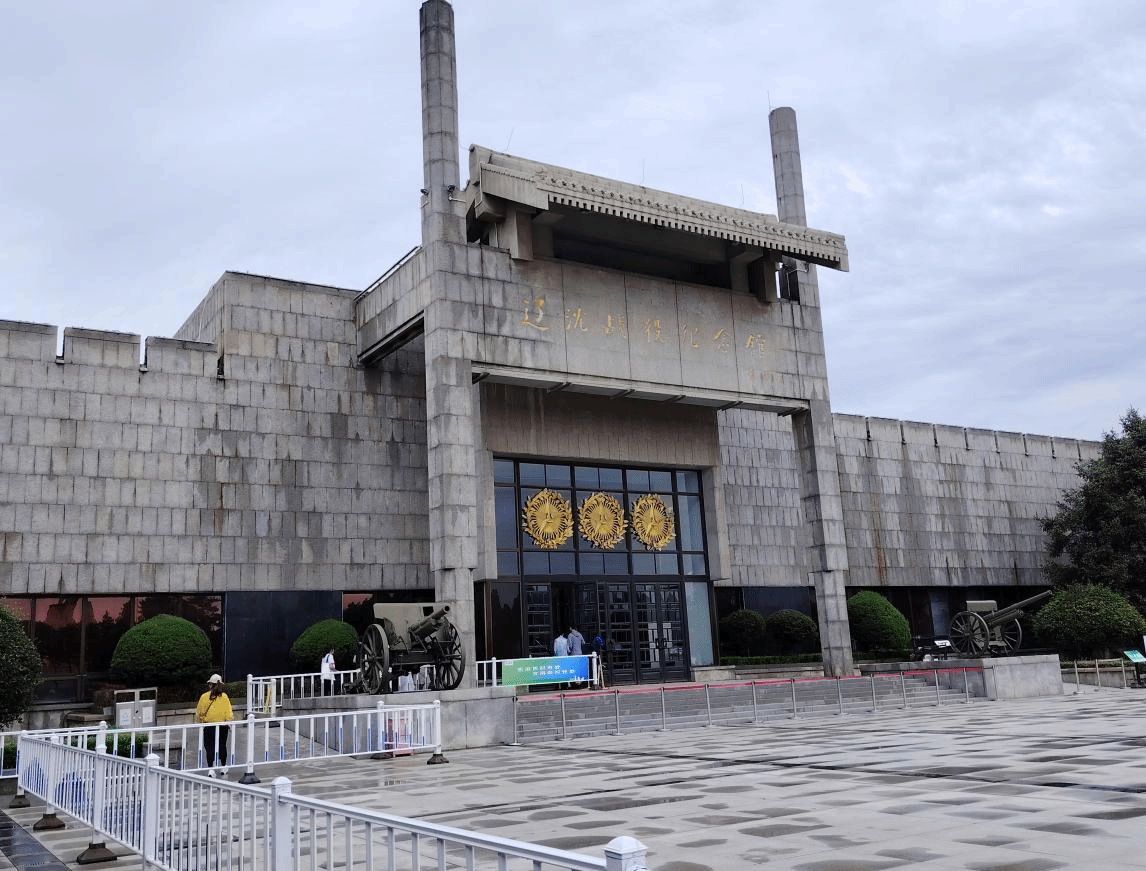
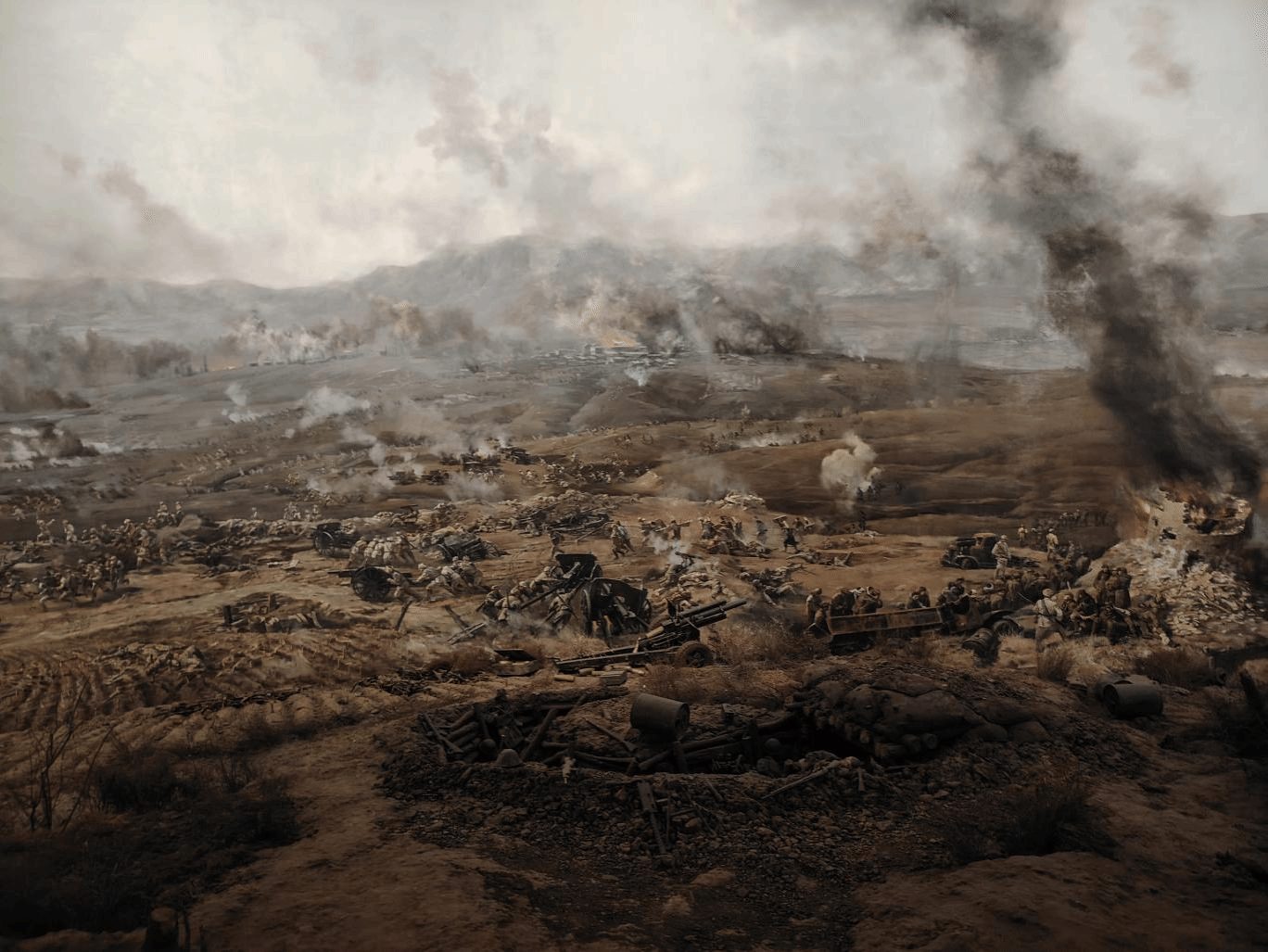
纪念馆的设计本身就充满象征意义。建筑外观沉稳大气,内部展厅按照战役的时间线依次展开,从战略部署、战役进程到最终胜利,每一步都配有详尽的地图、照片和实物。全景画馆尤为震撼——巨大的环形画卷再现了锦州攻坚战的壮烈场景,炮火、硝烟、冲锋的战士,仿佛将我们带回了1948年10月那个决定性的时刻。
The design of the memorial itself is rich in symbolism. The exterior is dignified and imposing, while the interior unfolds chronologically along the timeline of the campaign — from strategic planning and battle progression to final victory, each step accompanied by detailed maps, photographs and artifacts. The panoramic painting hall was especially breathtaking: a massive circular canvas recreated the fierce scene of the Battle of Jinzhou, with artillery fire, smoke and charging soldiers, as if transporting us back to the decisive moment of October 1948.
Part 2: The Weight of History
历史的重量
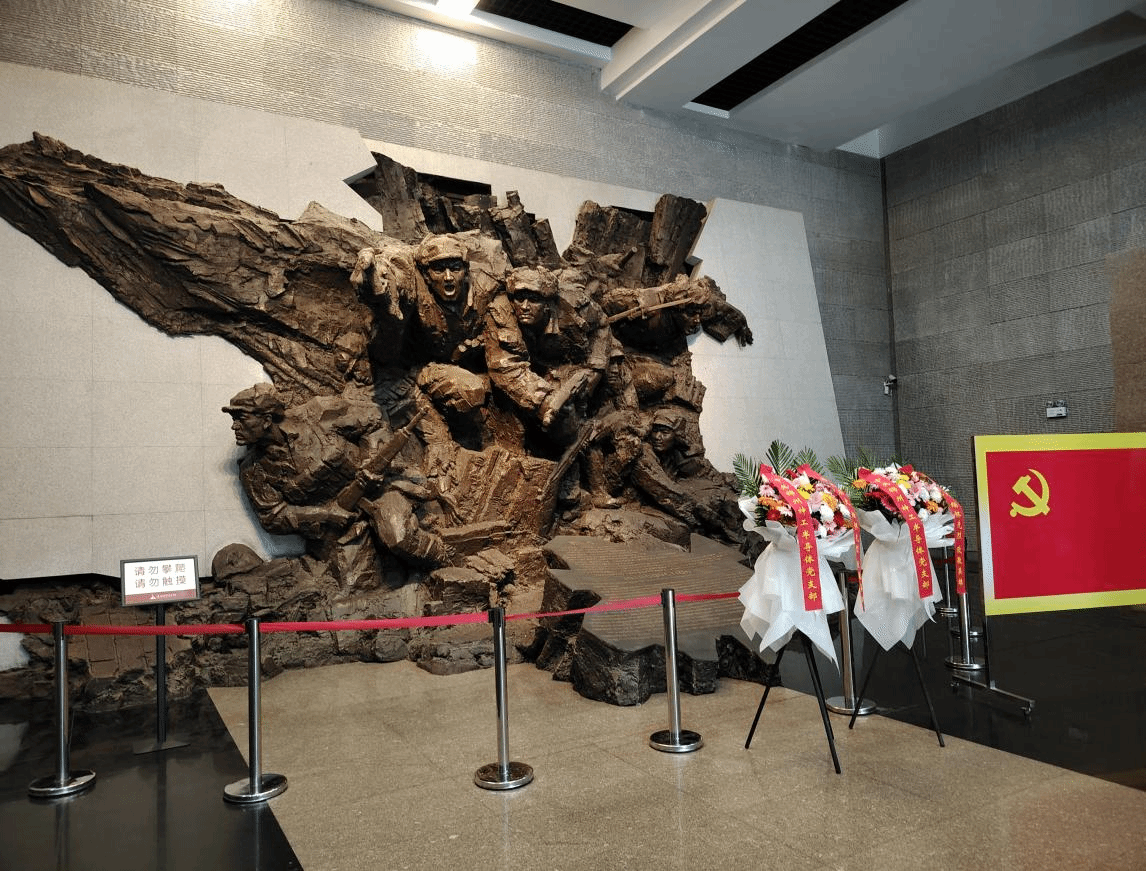
沿着展厅前行,一件件展品映入眼帘:锈迹斑斑的步枪、泛黄的作战命令、缝补多次的军衣、手写的家书。这些看似普通的物件,却承载着难以想象的历史重量。每一件展品背后,都是一个个鲜活的生命和一段段刻骨铭心的故事。战士们在冰天雪地中冲锋,在枪林弹雨中坚守,用血肉之躯筑起了胜利的基石。站在这里,我感受到的不仅仅是震撼,更是一种深深的敬意——对那些为民族解放和国家统一献出一切的人 们的敬意。
Moving through the exhibition halls, artifacts came into view one by one: rusty rifles, yellowed battle orders, repeatedly patched military uniforms, handwritten letters home. These seemingly ordinary objects carry an unimaginable historical weight. Behind each artifact lies a vivid life and an unforgettable story. Soldiers charged forward in freezing snow, held their ground amidst rain of bullets, and built the foundation of victory with their flesh and blood. Standing here, I felt not only awe, but deep reverence — for those who gave everything for national liberation and the unity of the country.
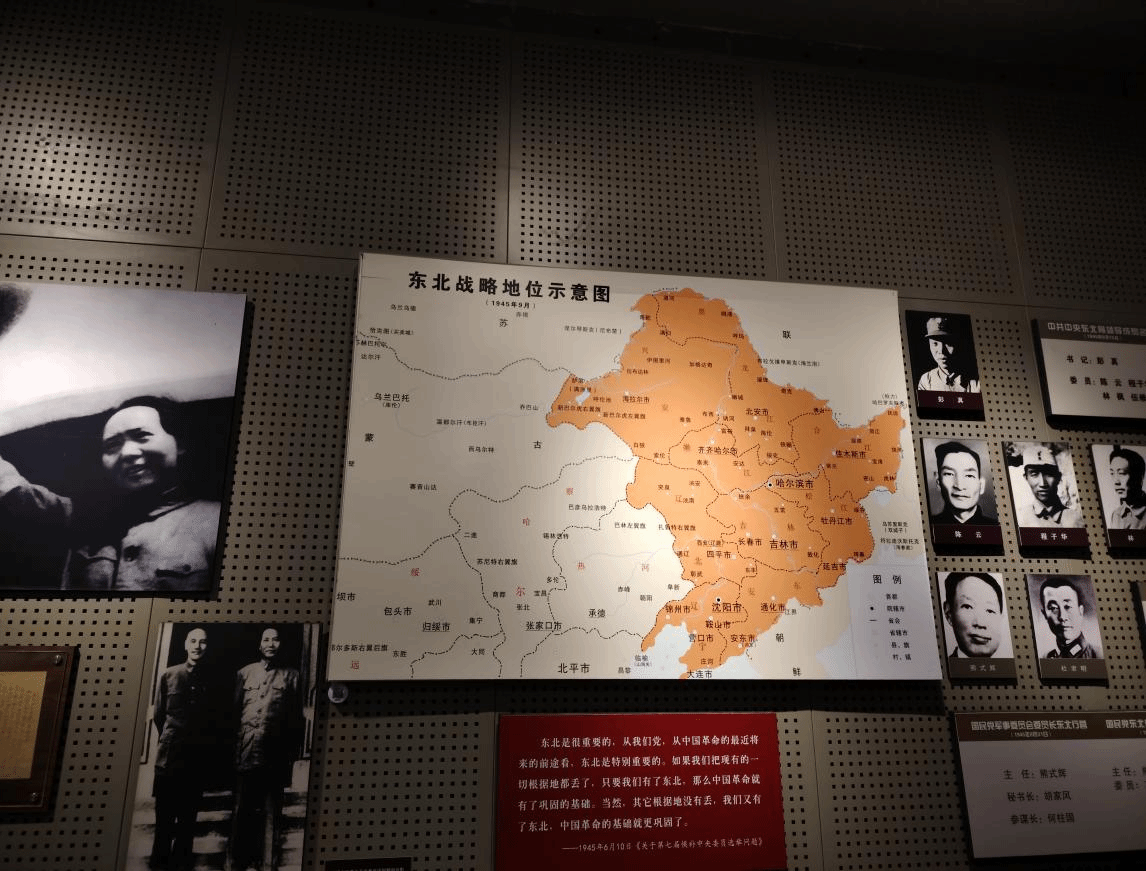
塔山阻击战的展区尤为令人动容。面对数倍于己的敌军,守军在阵地上寸步不让,用钢铁意志筑起了不可逾越的防线。展墙上牺牲将士的名单,密密麻麻的名字背后,是无数家庭的破碎与无数母亲的泪水。他们用生命诠释了什么叫“寸土不让”,什么叫“舍生取义”。这份精神的力量,远比任何武器都更为强大。
The exhibition section on the Tashan Blocking Battle was especially moving. Facing enemy forces several times their size, the defenders refused to yield an inch of ground, forging an insurmountable defense line with iron will. On the exhibition wall, the list of fallen soldiers — those densely packed names — represented shattered families and the tears of countless mothers. With their lives, they exemplified what it means to “never yield an inch” and to “sacrifice oneself for righteousness.” The power of this spirit was far greater than any weapon.
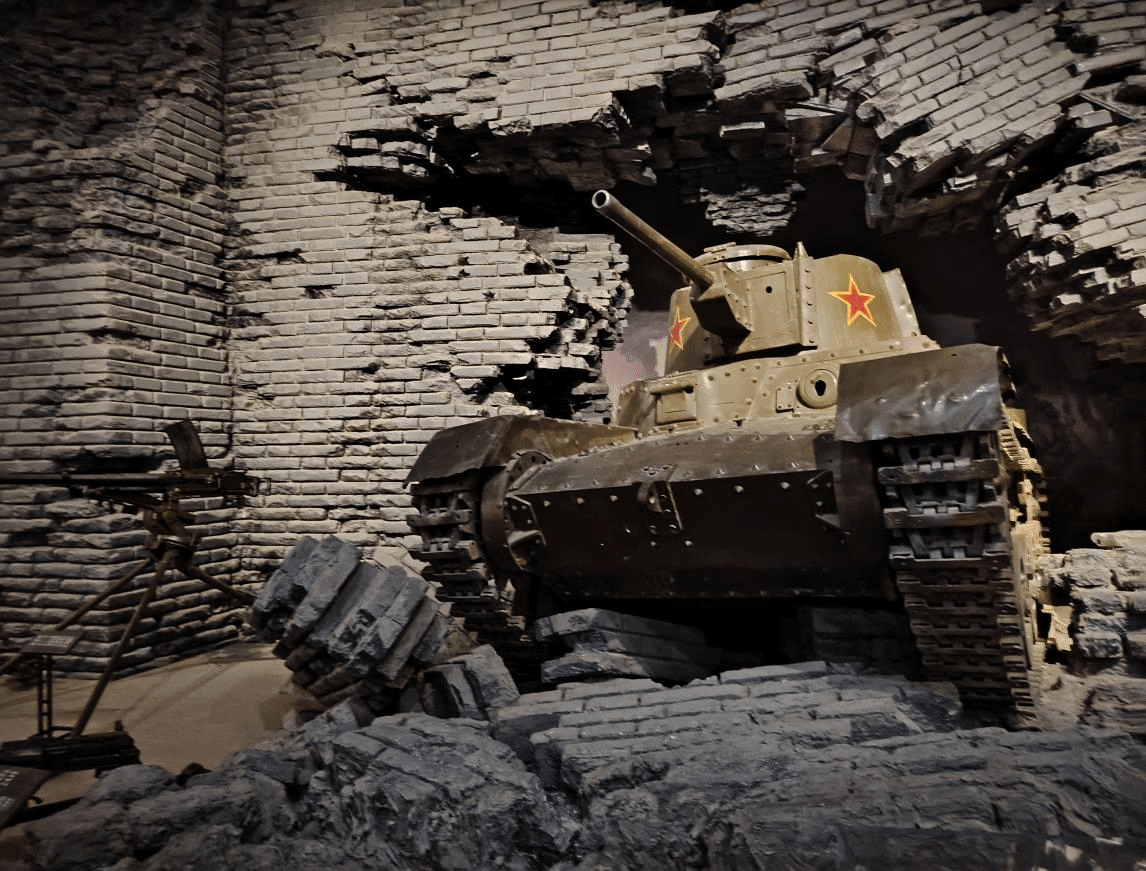
一封家书让我久久驻足。信纸已经泛黄,字迹歪歪扭扭却一笔一划极为认真。战士在信中对妻子说:此去前线,若能平安归来,便与你共耕田亩;若不能归,也莫悲伤,因我已尽了应尽之责。读完这封信,我的眼眶湿润了。这不是豪言壮语,却比任何豪言壮语都更让人感受到战争的真实与沉重。
One handwritten letter home made me stop for a long time. The paper had yellowed, and the handwriting was uneven but every stroke was painstakingly careful. The soldier wrote to his wife: “If I return safely from the front, we shall farm the land together; if I do not return, do not grieve, for I have fulfilled my duty.” After reading this letter, my eyes grew moist. This was not grand rhetoric, yet it conveyed the reality and weight of war more powerfully than any heroic declaration could.
Part 3: Inheritance and Reflection
传承与思考
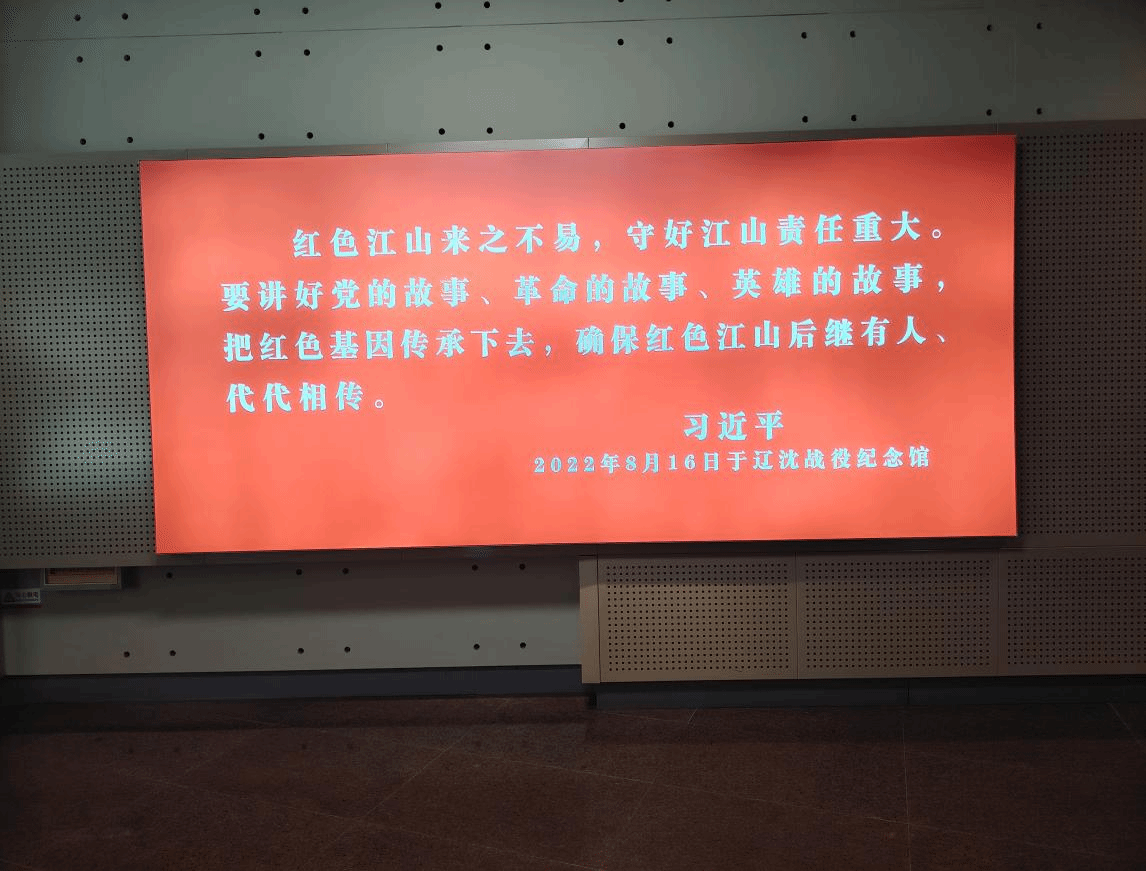
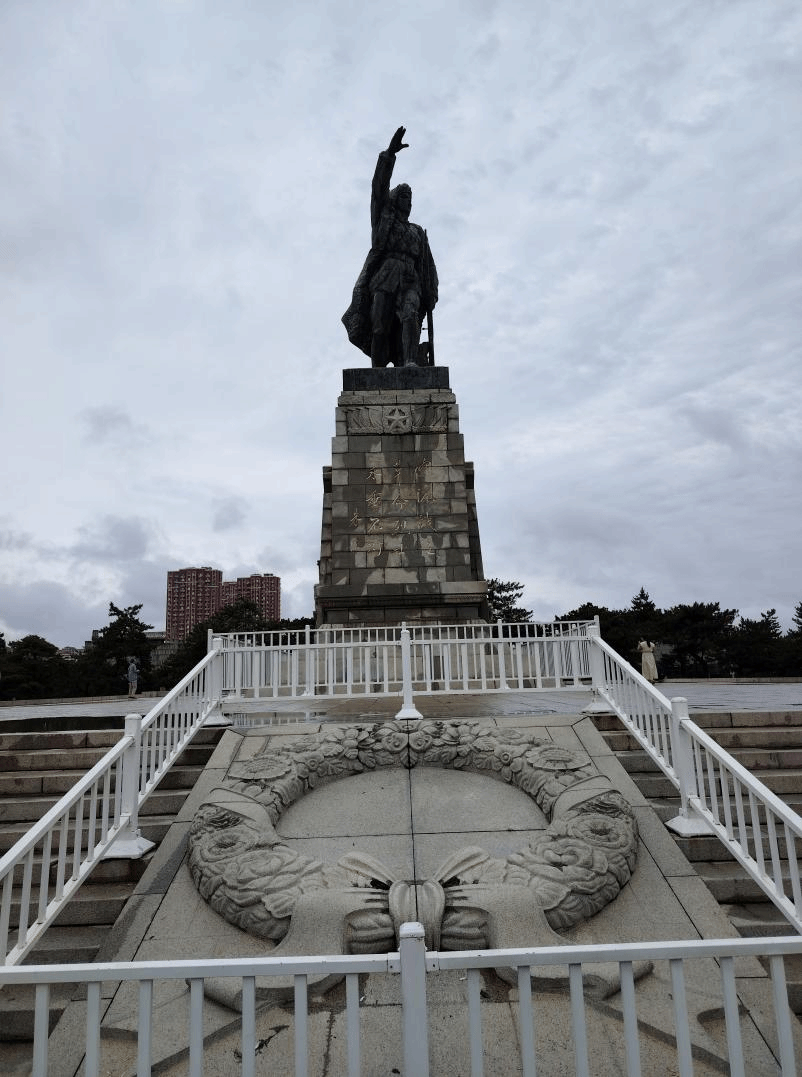
在纪念馆的最后展区,一面巨大的胜利纪念墙映入眼帘。辽沈战役的胜利,不仅是一场军事上的胜利,更是民心所向的胜利。人民群众用小推车运送物资,用扁担挑起弹药,用双手支援前线——正是因为有了千千万万普通百姓的支持,才有了最终的胜利。这场战役告诉我们:辽沈战役的胜利是东北人民全力支援拼出来的,充分体现了民心所向、民意所归、民力所聚。解放战争时期我们党同国民党的大决战,既是兵力火力之战,更是民心向背之争,民心是最大的政治,决定事业兴衰成败。
In the final exhibition section, a massive victory memorial wall caught our eyes. The victory of the Liaoshen Campaign was not merely a military triumph; it was a victory of the people’s will. The masses transported supplies with handcarts, carried ammunition on shoulder poles, and supported the front lines with their bare hands — it was precisely because of the support of millions of ordinary people that the final victory was achieved. This campaign teaches us: history is created by the people, and victory is forged by the people.
走出纪念馆,阳光洒在锦州的城市街道上,车水马龙,一派繁荣景象。七十余年过去,战火早已远去,但那段历史留下的精神财富永远不会消逝。和平来之不易,它是无数先烈用鲜血和生命换来的。作为新时代的青年,我们肩负着铭记历史、传承精神的使命。行走让我们看见,思考让我们理解,讲述则让这份理解有机会被更多人听见。
Walking out of the memorial, sunlight spilled over the streets of Jinzhou. Traffic flowed and prosperity filled the city. More than seventy years have passed, and the flames of war have long faded, but the spiritual wealth left by that history will never disappear. Peace did not come easily; it was earned with the blood and lives of countless martyrs. As young people of the new era, we carry the mission of remembering history and inheriting the spirit. Walking gives us the chance to see. Reflection helps us understand. Storytelling allows what we have learned to reach others.
这次辽沈战役纪念馆之行,是一次从课堂走向历史现场的精神洗礼。展品让我看见了牺牲的重量,史料让我感受到信念的力量,而走出纪念馆后的和平景象,则让我理解了传承的意义。纪念馆并不遥远,它就在今天的和平生活里,提醒我们珍惜当下、铭记过去、担当未来。每一代人有每一代人的使命,而我们的使命,就是不让这段历史被遗忘,不让这份精神被稀释。
This visit to the Liaoshen Campaign Memorial was a spiritual awakening that took us from the classroom to the very site of history. The exhibits showed me the weight of sacrifice, the historical documents revealed the power of conviction, and the peaceful scene outside the memorial helped me understand the meaning of inheritance. The memorial is not distant from us. It lives within our peaceful present, reminding us to cherish today, remember the past, and take responsibility for the future. Every generation has its own mission, and ours is to ensure that this history is not forgotten and that this spirit is not diluted.
Conclusion
结语
辽沈战役的硝烟早已散去,但英雄的精神永存。走进纪念馆,我们不仅是在回望一段历史,更是在汲取一种力量——那种面对艰难险阻时不屈不挠、为民族大义舍生忘死的力量。这种力量跨越时空,至今仍激励着每一个中国人。辽沈战役的胜利告诉我们:当信念坚定、民心凝聚,就没有不可逾越的难关,就没有不可战胜的敌人。
The smoke of the Liaoshen Campaign has long dissipated, but the spirit of the heroes endures forever. Walking into the memorial, we are not merely looking back at a chapter of history, but drawing strength — the strength to remain unyielding in the face of adversity, to sacrifice oneself for the greater good of the nation. This strength transcends time and space, and continues to inspire every Chinese person today. The victory of the Liaoshen Campaign tells us: when conviction is firm and the people’s hearts are united, there is no obstacle that cannot be overcome, no enemy that cannot be defeated.
用脚步追寻历史,用心灵感悟精神,用语言讲述中国。愿我们在每一次行走中读懂英雄,在每一次讲述中坚定家国信念。让“行走·讲述·传承”的精神,成为我们永远的力量源泉。
Let us pursue history with our steps, feel the spirit with our hearts, and tell China’s stories with our words. May we understand the heroes in every journey we take, and strengthen our love for our nation in every story we share. Let the spirit of “Walk, Tell, and Inherit” become our everlasting source of strength.
指导教师:李莹
图文:刘辰
编辑:肖春娇
初审:李莹
复审:刘玲玲
终审:唐艺军 万君